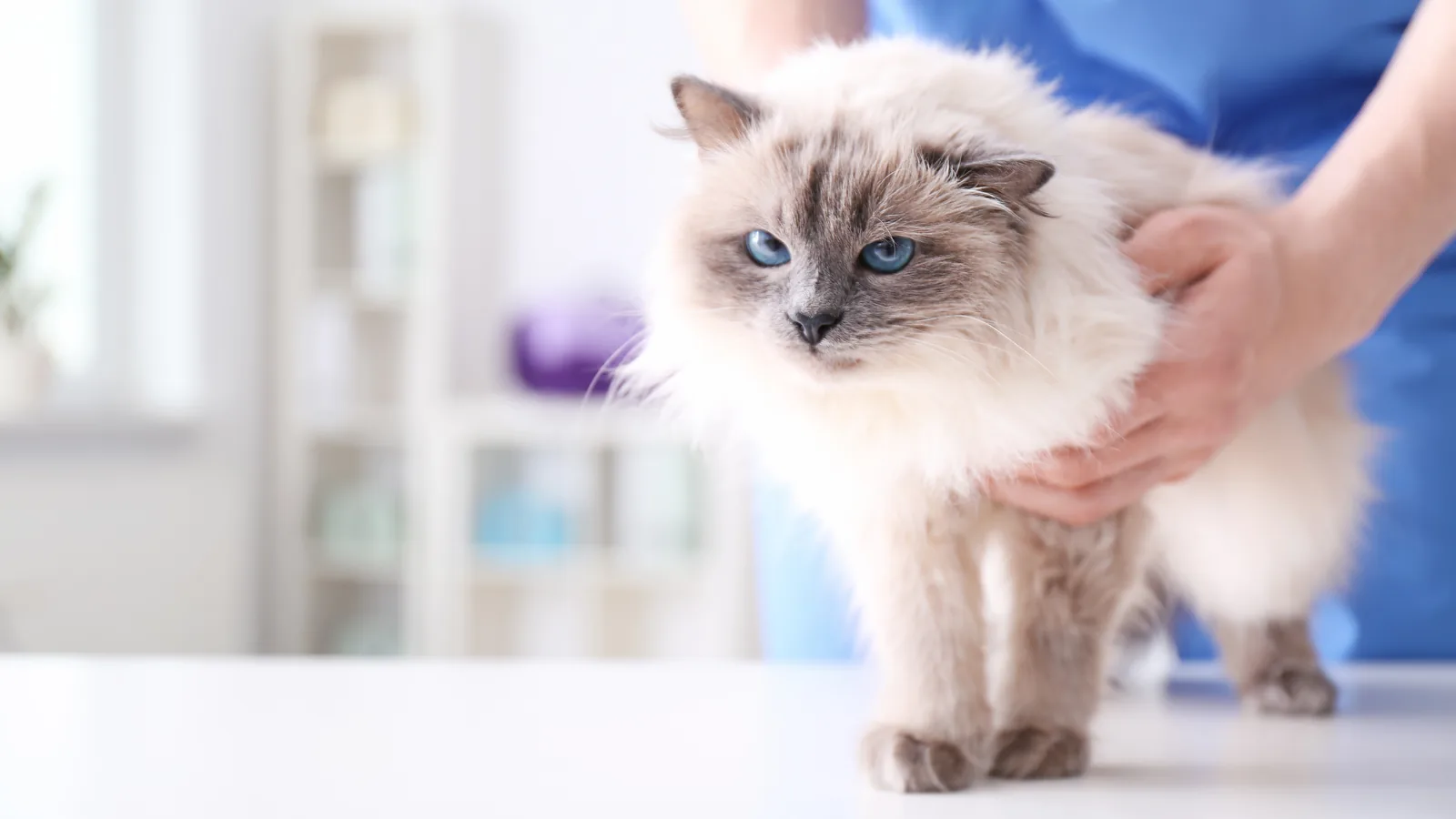
A cat diagnosed with lymphoma can absolutely live a good life, and many do, especially cats with the low-grade small-cell form that responds well to treatment. Lymphoma is the most common cancer in cats, and it shows up in vague ways at first: weight loss, appetite changes, more vomiting than usual, a cat who seems quieter than they used to be. What matters most is catching those subtle shifts early, running the right diagnostics to confirm the type, and then having an honest conversation about what treatment looks like for your cat. Some families choose full treatment, some choose supportive care to keep their cat comfortable, and both are valid paths when the decision is made with clear information.
At Noah's Ark Veterinary Hospital in Williamsburg, we see the vague signs that often turn out to be lymphoma, and we have the in-house testing for cats to start narrowing down what is going on at the first visit. Ultrasound of the belly and digital X-rays let us look for enlarged lymph nodes, thickened intestines, or masses that point us toward the answer, and from there we build a plan that fits your cat and your family. We believe in being a real partner in your cat's care, which means walking you through every result and every option before any decisions get made. If your cat has been losing weight, throwing up more, or just not acting like themselves, request an appointment and we will start looking for the reason.
What Matters Most With a Lymphoma Diagnosis
- Lymphoma is the most common cancer in cats, and its earliest signs, like weight loss, vomiting, and a drop in appetite, are easy to mistake for less serious problems.
- The type and grade matter enormously: small-cell, low-grade lymphoma is often slow-growing and responds well to gentle treatment, while large-cell, high-grade disease moves faster and needs a more aggressive plan.
- Confirming a diagnosis takes a combination of history, exam, bloodwork, viral testing, imaging, and a tissue sample, which is what lets us recommend the right treatment.
- Cats generally tolerate chemotherapy far better than people expect, and comfort-focused care is a valid, loving choice when full treatment is not the right fit.
What Is Lymphoma in Cats, Exactly?
Lymphoma is a cancer of the lymphocytes, the white blood cells that patrol your cat's immune system, and because those cells travel everywhere, the disease can develop in almost any organ. That is what makes it tricky. It is not one tidy tumor in one spot; it is a cancer of a cell type that lives all over the body.
Lymphoma in cats can move at very different speeds from one cat to the next. Some forms creep along slowly over months, while others move quickly and demand a faster response. It is one of the most common cancers diagnosed in cats, and understanding lymphoma means knowing it ranges from slow-growing to aggressive, with outcomes that vary widely by type and grade. So a diagnosis on its own does not tell the whole story. The next questions, where it is and how aggressive it looks, are what really matter.
What Are the Different Types of Lymphoma?
Lymphoma is grouped by where it shows up in the body, and that location shapes both the signs your cat shows and the approach we take. A cancer in the intestines behaves very differently from one in the nose or chest, so pinning down the location is one of the first jobs of a workup.
Gastrointestinal lymphoma, which settles in the stomach and intestines, is the most common form of the disease seen in cats. But it is far from the only one. Here is how the major forms break down:
- Gastrointestinal: The most common form, affecting the stomach and intestines, usually with digestive signs like vomiting, diarrhea, and weight loss.
- Nasal: Nasal lymphoma centers in the nasal cavity and tends to announce itself with stubborn congestion, sneezing, discharge, or facial swelling.
- Ocular: A less common form that affects the eye and the tissue around it, sometimes showing up as redness, cloudiness, or changes in the eye's appearance.
- Renal: Involves the kidneys and can cause increased thirst, weight loss, and signs of declining kidney function.
- Mediastinal: Sits in the chest in front of the heart and lungs, often leading to coughing or trouble breathing.
- Spinal: An uncommon form that presses on the spinal cord, showing up as weakness, wobbliness, or trouble using the back legs.
- Multicentric and other extra-nodal sites: Affects lymph nodes throughout the body or sets up in other spots like the skin, liver, or spleen.
What Are the Signs of Lymphoma in a Cat?
The signs of lymphoma depend heavily on where it is, but the general theme is subtle change: gradual weight loss, a cat eating less, more vomiting or diarrhea than usual, or a cat who simply seems less like themselves. These vague shifts are exactly why lymphoma so often hides in plain sight and gets mistaken for something minor.
Because location drives so much, the signs cluster by type:
- Digestive changes: The cat who used to clean the bowl now picks at food, loses weight, or has vomiting and diarrhea that will not settle, common with gastrointestinal disease.
- Breathing or facial changes: Sneezing, nasal discharge, facial swelling, coughing, or labored breathing point toward nasal or chest involvement.
- General signs with any form: Low energy, hiding more, poor coat quality, and steady weight loss can show up no matter where the cancer sits.
Here is the honest truth: none of these signs mean lymphoma on their own. Plenty of them come from far less serious causes. But when they hang around or add up, they earn a closer look. If your cat has ongoing weight loss, appetite changes, vomiting, or diarrhea that will not quit, schedule an exam so we can start sorting out what is really going on.
What Causes Lymphoma in Cats?
Lymphoma usually does not trace back to one single cause. Instead, several factors nudge the risk upward, and often it is a mix of things rather than any one culprit. Age plays a role, chronic inflammation plays a role, and certain viral infections have a well-documented connection.
The main risk factors worth knowing:
- Feline leukemia virus: Feline leukemia virus is a long-established risk factor that raises a cat's odds of developing lymphoma, which is one reason testing and vaccination matter.
- Feline immunodeficiency virus: Feline immunodeficiency virus weakens a cat's immune defenses over time and is likewise linked to a higher chance of lymphoma.
- Chronic intestinal inflammation: Long-standing gut inflammation, including inflammatory bowel disease, has a recognized link to gastrointestinal lymphoma, which is one reason we take chronic digestive problems seriously.
- Age: Lymphoma is diagnosed more often in middle-aged and senior cats, though it can appear at any age.
Here is the reassuring part: many cats diagnosed with lymphoma today test negative for both viruses, thanks to years of widespread testing and vaccination. That is real progress. The practical takeaway is that prevention leans on the things we can influence, keeping up with preventive care and viral screening, vaccinating where appropriate, and managing chronic conditions before they simmer for years. Our in-house CBC and chemistry panels help us keep an eye on the trends that matter as your cat ages.
What Is the Difference Between Small-Cell and Large-Cell Lymphoma?
The distinction between small-cell and large-cell lymphoma is one of the most important pieces of the whole picture, because it shapes both treatment and outlook. Small-cell, low-grade lymphoma tends to be slow-growing and often responds well to gentler treatment, while large-cell, high-grade lymphoma is more aggressive and moves faster.
That difference changes everything about the plan. A cat with low-grade disease may do beautifully for a long stretch on medication given at home with minimal fuss. A cat with high-grade disease usually needs a more intensive approach to get ahead of a faster-moving cancer. Telling small-cell from large-cell disease means looking closely at the cells themselves, which is where biopsy comes in. We look at a surgically removed piece of tissue with its structure intact, and this is the fork in the road that determines both the treatment plan and the prognosis. We always want to confirm it before recommending a direction.
How Is Lymphoma Diagnosed in Cats?
Diagnosing lymphoma is a step-by-step process rather than a single test, and it usually combines several tools to build a clear picture of what is happening and how aggressive it is. We start broad, then narrow down until we can confirm the type and grade.
A confident lymphoma diagnosis usually comes from a combination of history, physical exam, bloodwork, imaging, and tissue sampling, and sometimes more than one test is needed to pin down the type and grade. Here is how the workup generally flows:
| Step | What it involves | What it tells us |
| History and exam | Talking through the changes you have noticed, then a hands-on exam | Flags where to look and which signs to chase |
| Bloodwork and viral testing | CBC, chemistry panel, and FeLV/FIV screening | Checks organ function and viral status |
| Imaging | Ultrasound and radiographs | Reveals enlarged nodes, thickened intestines, or masses |
| Tissue sampling | Fine needle aspirates or biopsy | Confirms the diagnosis and determines the grade |
We handle much of this right here, starting with abdominal ultrasound and digital X-ray that let us peer inside the belly and chest. From there, fine needle aspirates and cytology put actual cells under the microscope. Sometimes a single aspirate gives us the answer; sometimes we need a biopsy for a definitive read, using a small section of surgically removed tissue to look at the cellular structure. Our surgical care for cats in Williamsburg uses personalized anesthetic plans and careful monitoring for safety and comfort.
What Are the Treatment Options for Feline Lymphoma?
Treatment for feline lymphoma is tailored to the type, the grade, and the individual cat in front of us, with goals that range from long-term control of the cancer to keeping a cat comfortable and content. There is no single script, which is a good thing, because it means the plan can fit your cat and your family.
The newest lymphoma treatments continue to expand the options available, though chemotherapy protocols remain the backbone of care for many cats. The main approaches include:
- Oral chemotherapy for low-grade disease: Small-cell lymphoma is typically treated with a gentle oral chemotherapy given at home alongside a steroid. Most cats tolerate this combination easily and stay on it comfortably for a long time.
- Injectable chemotherapy for high-grade disease: Faster-moving large-cell lymphoma calls for a more intensive protocol, usually a series of treatments given as visits, to get ahead of the cancer.
- Steroids: Steroid treatment calms inflammation and can slow the cancer. It is part of most low-grade plans, and it can also be used on its own when the goal is comfort rather than control.
- Radiation: Radiation therapy is most useful when the cancer stays in one place, and it is a well-established approach for nasal lymphoma in particular.
Here is the part that surprises most families: cats often tolerate chemotherapy far better than people expect. The doses used in veterinary medicine are aimed at protecting quality of life, not at pushing a cat to the brink, so most cats keep eating, playing, and being themselves through treatment. Whatever direction you choose, quality of life sits at the center of it. Our feline internal medicine and chronic illness care covers the day-to-day management and supportive care alongside treatment, and we coordinate with a veterinary oncologist when chemotherapy or radiation is part of the plan.
Are Clinical Trials Worth Considering?
Clinical trials can be a genuinely valuable option for some cats, opening the door to newer treatments while helping advance care for cats everywhere. They are worth asking about, especially if your cat's situation is a good fit or if you want to explore beyond standard options.
Veterinary clinical trials are one avenue to explore, and available studies can be searched to see whether one might fit your cat's situation. Participation varies from study to study; some involve new medications, others compare approaches or gather data over time, and each has its own requirements around a cat's health and diagnosis. The best first step is a conversation. We are glad to talk through whether a trial makes sense for your cat and to help coordinate a referral if one looks like a fit.
What Is the Prognosis, and When Does Treatment Make Sense?
Prognosis varies widely and depends on the type, the grade, and how well a cat responds to treatment. Low-grade disease often allows a good quality of life for a long time, while high-grade disease is more variable. There is no single right answer that fits every cat or every family, and that is genuinely okay.
Deciding whether and how to treat comes down to weighing a few things together:
- The cat's overall health: A cat with other serious conditions may not be a good candidate for aggressive treatment, while an otherwise healthy cat often has more room to pursue it.
- The likely benefit: Low-grade disease frequently responds well to gentle treatment, which changes the math on what is worth doing.
- Quality of life: The goal is always more good days, not just more days, and that principle guides every recommendation we make.
- Your goals and comfort: What feels right for your family matters, whether that means pursuing full treatment or focusing on keeping your cat comfortable.
Choosing comfort-focused care instead of aggressive treatment is not giving up. It is a valid, loving choice, and for some cats it is the kindest path.
Frequently Asked Questions About Lymphoma in Cats
Is lymphoma in cats curable or treatable?
Lymphoma is usually treatable rather than curable, and treatable can mean a great deal. Even when a lasting cure is not realistic, the right plan can slow the cancer, ease symptoms, and buy meaningful, comfortable time. The outlook hinges on the type and grade.
Many cats, especially those with low-grade, small-cell disease, respond well and enjoy a good quality of life for a long time. That is exactly why confirming the type and grade early matters so much.
How well do cats tolerate chemotherapy?
Usually far more comfortably than families brace for. In cats, chemotherapy is built around protecting how your cat feels day to day, so most keep eating, grooming, and acting like themselves throughout treatment. A few have mild, manageable side effects such as a short dip in appetite or energy, but serious reactions are uncommon. The aim is to keep your cat feeling good while we treat the cancer, and we adjust the plan any time your cat is not tolerating something well.
Does it really matter whether lymphoma is low-grade or high-grade?
It matters more than almost anything else. Low-grade, small-cell lymphoma tends to grow slowly and often responds beautifully to gentle, oral treatment, sometimes giving a cat years of good quality time. High-grade, large-cell disease is more aggressive and usually calls for a more intensive approach, with a more variable outlook. That is why we always want to confirm the grade with cell sampling before recommending a direction. The grade is what turns a scary diagnosis into a clear, actionable plan.
Facing a Lymphoma Diagnosis Together
A lymphoma diagnosis is frightening, no question about it. But frightening is not the same as hopeless. Once we understand the type and the grade, a scary unknown turns into a set of clear choices, and many cats, especially those with low-grade disease, go on to live good, comfortable lives. The earlier we evaluate those vague early signs, the more options stay open for your cat.
If your cat has been losing weight, eating less, or just not acting like themselves, or if you are already navigating a diagnosis and weighing what comes next, reach out to our team at Noah's Ark Veterinary Hospital. We provide the cancer care cats need to guide you through every result and every decision, right here in Williamsburg, with you and your cat at the center of it.