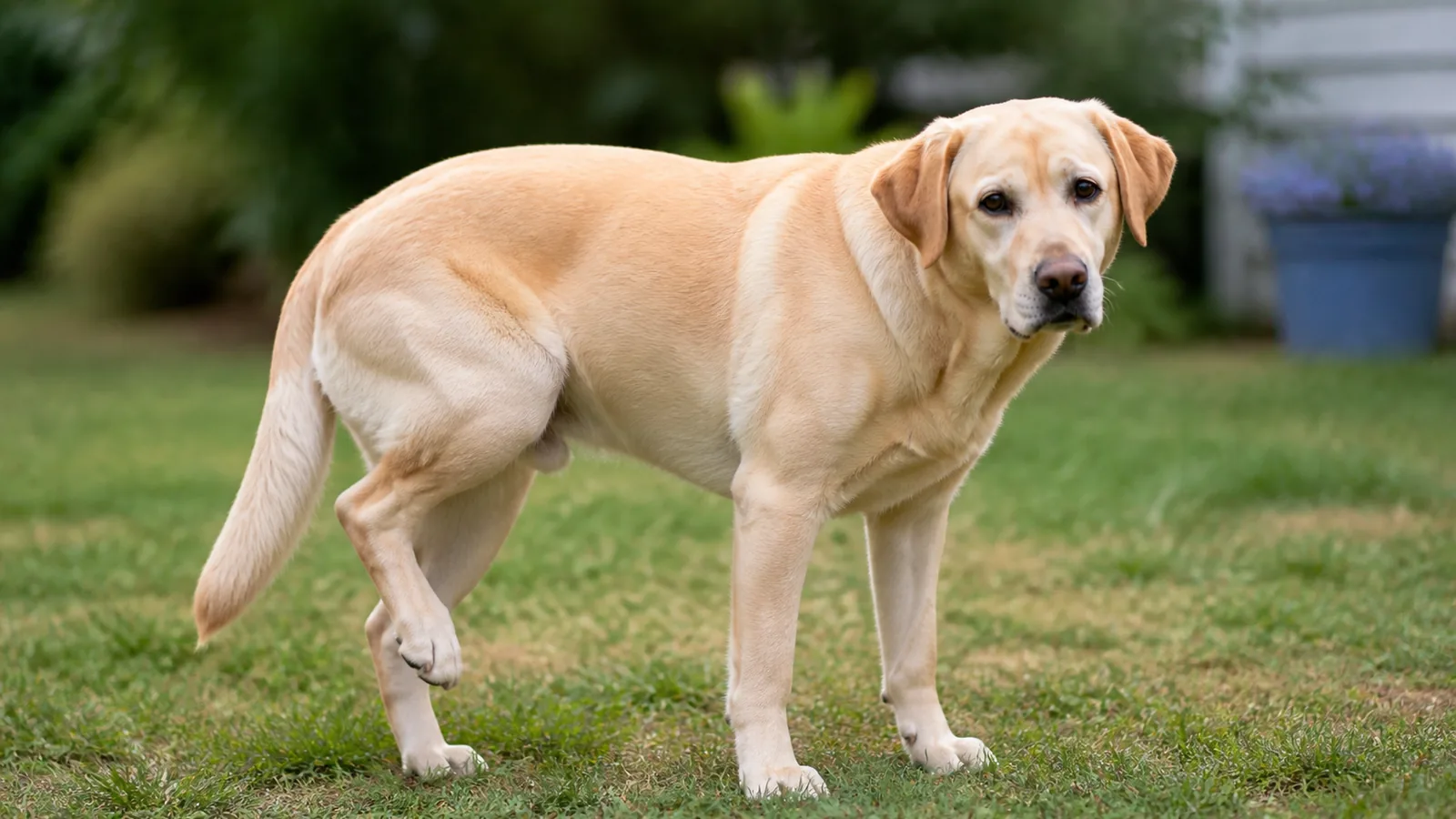
Choosing between conservative care and surgery for a torn cranial cruciate ligament comes down to a handful of factors: your dog's size and weight, their activity level, how complete the tear is, whether they can safely undergo anesthesia, and their age and overall health. For most medium, large, and giant-breed dogs, surgery restores stable, comfortable function far more reliably than rest and medication alone. A very small or sedentary dog, or one who cannot have anesthesia, may do acceptably with conservative management. The right call is best made on the actual state of the joint, which is why an accurate diagnosis comes first.
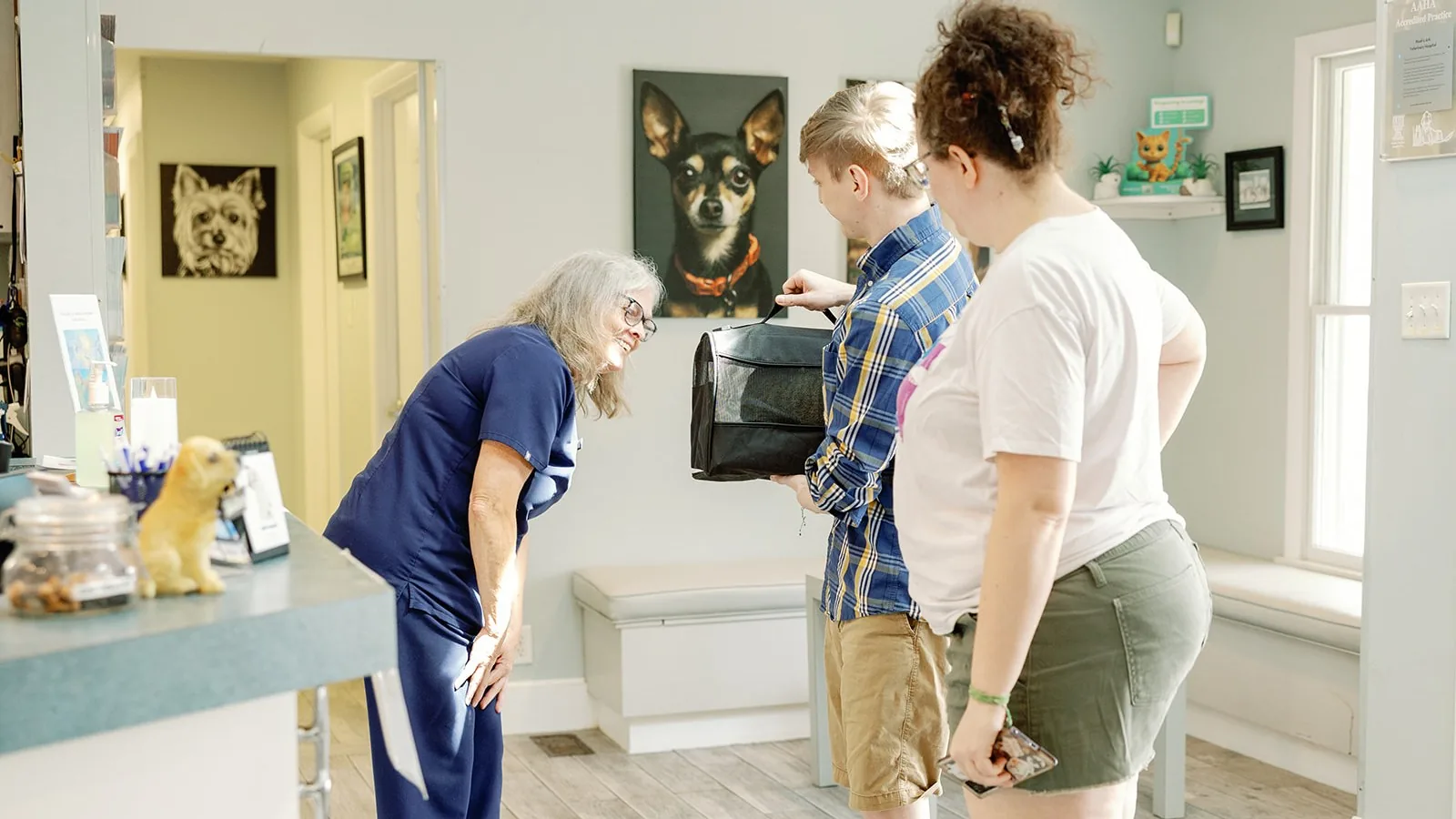
At Noah's Ark Veterinary Hospital in Williamsburg, we work through that choice with in-house digital X-ray, and when a complicated knee needs MRI or CT we coordinate with a specialty imaging partner. As an AAHA-accredited hospital we hold defined standards for anesthesia, pain control, and monitoring. If surgery is the best option, we’ll go through the types available, what recovery looks like, and refer you to a trusted orthopedic specialty partner for surgical care. If your dog is limping on a hind leg, schedule a visit and we will work through the options together.
Conservative vs Surgical: The Essentials
- The conservative-or-surgical choice hinges on size, activity, tear severity, anesthetic risk, and age.
- Most medium and larger dogs do best with surgery; the knee cannot restabilize on its own.
- Very small or sedentary dogs, or those who cannot have anesthesia, sometimes manage acceptably without surgery.
- Either way, an accurate diagnosis should drive the decision, not guesswork.
What Decides Between Conservative and Surgical Treatment?
No single factor settles the question. The decision weighs several together, and they usually point in a consistent direction once you lay them out. A small, quiet dog with a partial tear and an anesthetic concern leans one way, while a large, athletic dog with a complete tear leans firmly the other. The table below shows how the main factors tip the balance.
| Factor | Leans conservative | Leans surgical |
| Size and weight | Small dog, roughly under 20 to 30 pounds | Medium, large, or giant breed |
| Activity level | Quiet, low-demand lifestyle | Active or athletic dog |
| Tear severity | Partial tear, mild instability | Complete tear, marked instability |
| Anesthetic risk | High risk or cannot undergo anesthesia | Healthy surgical candidate |
| Age and other joints | Advanced age, comfort-focused care | Otherwise healthy, years of activity ahead |
In practice, most factors line up. The reason surgery is favored for the typical active dog is mechanical: in a cruciate ligament injury, the knee can no longer stabilize itself, so without a structural fix the joint keeps moving abnormally with every step. We walk through each factor for your individual dog rather than applying a blanket rule. When the factors pull in different directions, say a large dog who is also an anesthetic risk, the conversation gets more nuanced, and that is exactly where an honest discussion of the trade-offs makes the most difference.
When Is Conservative Management a Reasonable Choice?
Conservative management means strict activity restriction, anti-inflammatory and pain medications, physical therapy, and time, without surgery. It is a reasonable path in a few specific situations:
- Very small dogs, generally under about 20 pounds, sometimes stabilize acceptably because the lower forces on the joint let the body's natural scar-tissue thickening do enough to support a quiet lifestyle.
- Dogs who cannot safely undergo anesthesia for medical reasons are candidates by necessity.
- In advanced-age or comfort-focused situations, the long recovery may not be the right investment, and a plan built around mobility care and pain control can keep quality of life high.
What conservative care cannot do is restabilize a large dog's knee. For a 70-pound active dog, rest and medication typically slow but do not stop the slide into a painful, arthritic joint. We will be candid that conservative management for that dog usually means lifelong pain control rather than a return to normal function. Choosing it should be a clear-eyed decision about quality of life, not a way to avoid surgery that the dog actually needs.
When Does Surgery Give the Better Outcome?
For most medium, large, and giant dogs, surgery is what reliably restores stable function and slows the progression of arthritis. The three approaches that come up most often:
- For active medium-to-giant breed dogs, the most common recommendation is a TPLO procedure, because reshaping the top of the shin bone removes the need for the torn ligament to keep the joint stable and produces excellent long-term results.
- Tibial tuberosity advancement is another bone-cutting option that works on a similar biomechanical principle, and it is considered for certain dogs whose anatomy favors it.
- For smaller or less active dogs, an extracapsular repair supports the joint from outside with a heavy suture and avoids cutting bone.
The right procedure depends on the same factors that drove the conservative-or-surgical decision: size, activity, anatomy, and the state of the joint, including whether the meniscus is also damaged. Because cruciate repair is an orthopedic procedure, we partner with a trusted surgical specialist and stay involved with your dog's care before and after.
How Is a Torn CCL Diagnosed?
Diagnosis pairs a hands-on exam with imaging, and we work through it in a consistent order:
- Orthopedic exam. The key finding is the cranial drawer sign, an abnormal forward slide of the shin bone against the thigh bone that confirms the joint is unstable. A tense or painful dog often needs sedation for an accurate test.
- Radiographs. X-rays show the bone, reveal how much arthritis has formed, and support surgical planning. They also help rule out other causes of a limp, like broken bones or bone cancer.
- MRI for complex cases. When soft-tissue detail matters, particularly to evaluate the meniscus before surgery, MRI provides the clearer view.
Our in-house digital X-ray covers most cruciate workups in a single visit. For the smaller number of cases that need MRI or CT, we coordinate the referral so the plan stays seamless. If your dog has a new or intermittent hind-leg limp, that exam is where the decision-making begins.
What Does Recovery Look Like Either Way?
Recovery is a staged, weeks-long commitment whichever path you choose, though surgical recovery is the more structured of the two. Here is how the surgical timeline typically unfolds:
- Weeks 1 to 2: Strict crate rest with leash-only bathroom breaks, focused on protecting the repair and managing pain.
- Weeks 3 to 8: Gradually lengthening controlled leash walks, with a structured rehabilitation plan layered in to speed healing and improve the final result.
- Weeks 9 to 16: Steady return to controlled activity, with at-home exercises bridging the gap between professional sessions. Once your dog is cleared for longer walks, building in proper warm-ups and cool-downs before and after activity makes a measurable difference.
Conservative management asks for a similar discipline of restricted activity and gradual reintroduction, just without the surgical repair underneath it. That is part of why it works best for dogs whose lower body weight is doing some of the stabilizing for them.
What If a Torn CCL Goes Untreated?
Left alone, a torn CCL in a surgical candidate does not improve; it slowly worsens. The unstable joint grinds cartilage and drives arthritis, the joint capsule thickens and stiffens, and the meniscus frequently tears as a secondary injury, each step adding pain. The opposite knee and the hips and back take on extra load, and the muscle of the affected leg wastes over weeks to months, making any later surgery harder and recovery slower. A question we hear constantly is whether the dog can simply heal with rest, and for medium and larger breeds the honest answer is no. The limp may wax and wane, but the joint never restabilizes, and the long-term outcome is consistently worse than what timely treatment would have produced.
Frequently Asked Questions About CCL Treatment
How Long After Surgery Before My Dog Walks Normally?
Most dogs bear some weight within days and walk comfortably within four to six weeks, with full return to pre-injury function over four to six months. The progress is steady rather than fast, and your surgical team will confirm it at scheduled rechecks before clearing each step up in activity.
Will My Dog Get Arthritis Even With Surgery?
Usually some arthritis is already present by the time of surgery, because the joint was unstable beforehand. Surgery dramatically slows the progression compared with leaving the tear untreated, though it cannot reverse damage already done. Most surgically treated dogs do well for years, and lean body condition and joint support keep them comfortable longer.
Can My Dog Tear the Other CCL?
It is a real risk. Roughly 40 to 60 percent of dogs who tear one CCL go on to tear the opposite knee within one to two years, partly because that leg carried extra weight during recovery. Keeping your dog lean, conditioning steadily, and avoiding weekend-warrior bursts all lower the odds, and we will keep an eye on the other knee at follow-up exams.
How Much Does My Dog's Weight Affect the Decision?
A great deal, on both sides of it. Extra weight raises the stress on the knee, makes a tear more likely in the first place, and increases the load on the opposite leg. A lean dog tolerates either treatment path better and recovers more smoothly. Weight management is one of the highest-impact things you can do, both before a decision and throughout recovery, and we are glad to build a plan together at a wellness visit.
Choosing the Right Treatment for Your Dog
A torn cruciate is a worrying diagnosis, but it is a solvable one once you know what is happening inside the joint. We will sit with you through the exam, the imaging, and the conversation about what fits your dog best, and we will coordinate the surgical referral when that is the right path.
If your dog is limping or you are weighing how to treat a torn cruciate, request an appointment and we will work through the diagnosis and the decision with you.