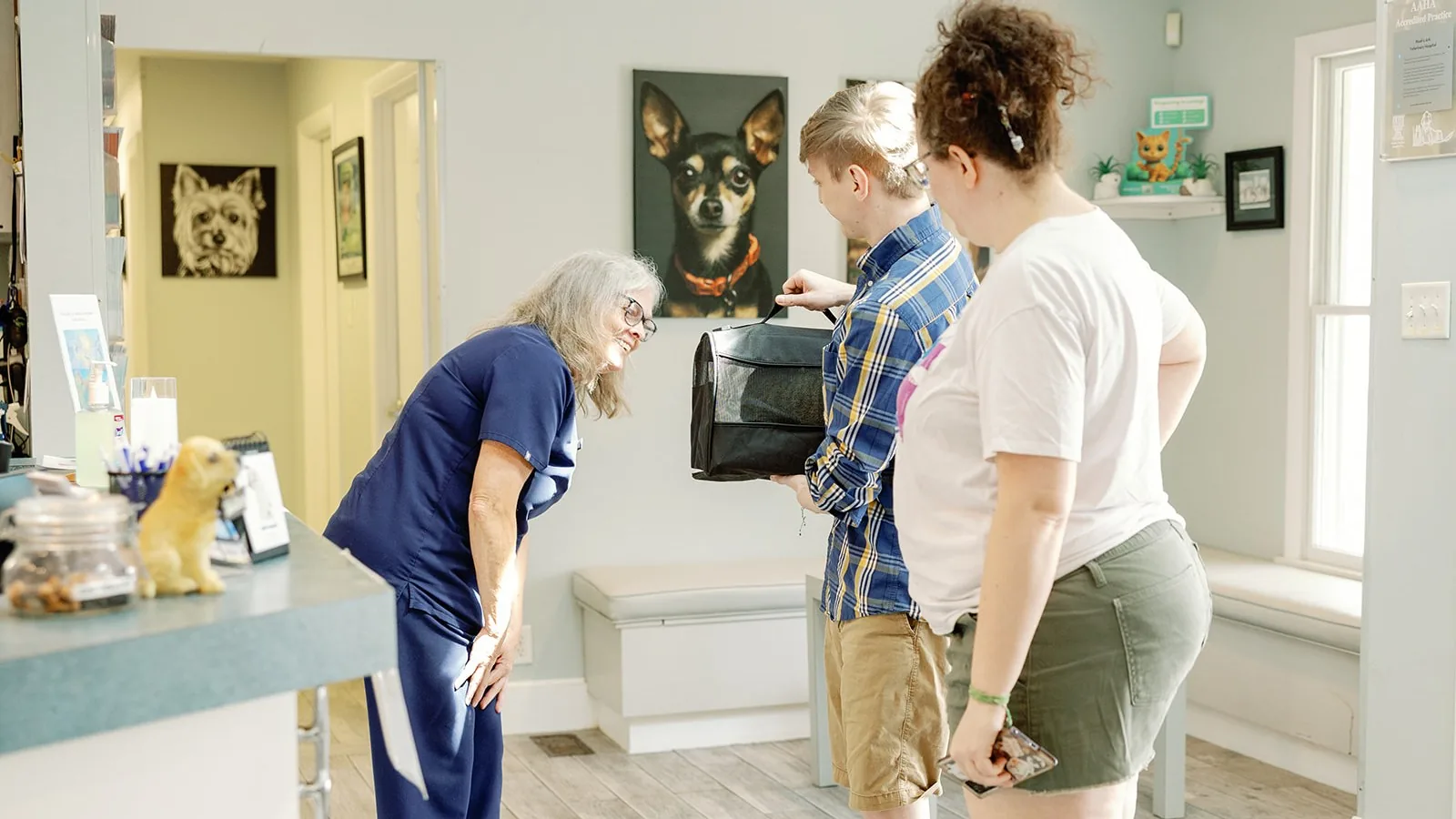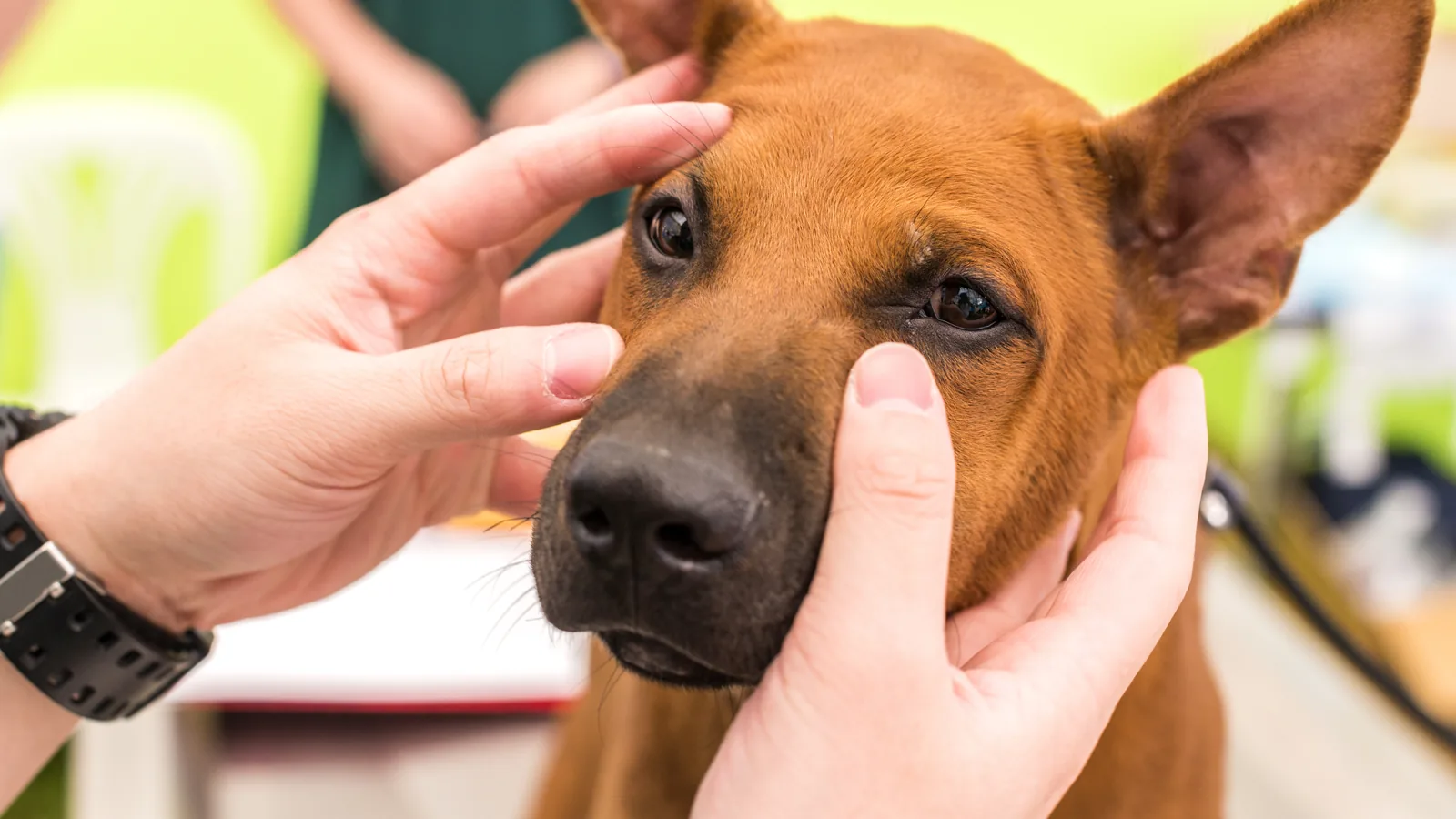
Fear of the veterinarian is more than an inconvenience: a pet who panics during handling or hides at the sight of a carrier can end up missing the care that protects their health. Cooperative care teaches your dog or cat to take part in handling instead of enduring it, using short, positive practice sessions at home. Paired with low-stress handling in the exam room, carrier training, and a few visits that are nothing but treats and hellos, it turns a dreaded appointment into something your pet can predict and tolerate.
At Noah's Ark Veterinary Hospital in Williamsburg, we treat fear as a health problem worth solving, not a personality flaw you're supposed to apologize for at the front desk. Our wellness care and in-house diagnostics let us rule out the pain and illness that sometimes hide behind a pet who fights handling, then build a plan around what your pet can handle today. Schedule an appointment and we'll start there.
The Case for Practicing Before You Need It
- Fearing the vet is normal learning, not bad behavior: most pets only visit for shots and procedures, and a stranger touching paws, ears, and bellies confirms their suspicion.
- Practicing handling at home pays off everywhere: calmer visits, fewer pets needing sedation for basic care, safer exams for everyone, and far easier nail trims and medicating at home.
- Happy visits, where your pet comes in just for treats and attention, and early socialization for puppies and kittens, rewrite what the clinic means before fear ever sets in.
- Cats are just as trainable as dogs, and positive reinforcement is the method that works, because punishment adds fear to a problem that is made of fear.
Why Is It Normal for My Pet to Fear the Vet?
Because from your pet's point of view, the fear makes perfect sense. Most dogs and cats only come to a clinic when something is about to happen to them: a needle, a thermometer, a procedure. If every trip to one building ended with you getting a shot, you'd dread the parking lot too.
Handling is the other half of it. At home, nobody routinely spreads your dog's toes apart, puts an otoscope in their ears, or opens their mouth wide, and almost nobody does any of that to a cat. Then a stranger in a strange-smelling room does all of it at once. A pet who has never had those body parts touched has no reason to believe the touching is safe, so bracing, wiggling, and hiding are reasonable conclusions, not defiance.
Cats carry this the furthest. A single bad experience can leave a cat rattled long after the vet visit ends, hiding at home for days and fighting the carrier for years. That's not drama; it's a good memory working against everyone. The fix isn't to visit less. It's to change what visits and handling predict, which is exactly what cooperative care does.
What Should I Tell the Vet Team About My Pet's Fears?
Everything, and the quirkier the better. We're used to scared pets, we don't judge them or you, and the single most useful thing you can hand us is a list of triggers. Does she hate having her tail touched? Does he lose his mind on leash when another dog is nearby? Is she afraid of men? If we don't know, we can't help, and when we do know, we'll do everything we can to make the visit work.
The goal is keeping your pet's stress as low as possible from the first moment, since a dog whose alarm bells start ringing at the sight of another dog in the lobby is already harder to handle by the time we say hello. Knowing the triggers lets us plan around them:
- Skip the waiting room: Wait in the car and come straight into an exam room when we're ready for you.
- Control who's around: We can make sure no other pets cross your pet's path, or match your pet with the team members they'll be most comfortable with.
- Pick a quieter time: Some hours are calmer than others, and we can schedule your visit when fewer people and pets are in the building.
- Reorder the exam: The scariest part, like an otoscope in a sore ear, can come last, paired with the best treat in the room, with breaks whenever your pet needs one.
Tell us your pet's quirks when you book and we'll happily build a plan for them.
Can Happy Visits Really Change How My Pet Feels About the Vet?
Yes, and they're one of the easiest tools on this list. A happy visit is a trip to our clinic where nothing medical happens: your pet walks in, gets treats and pets from our team, sniffs around, and leaves. A few of those, and the building stops predicting needles and starts predicting cheese. Making veterinary visits less stressful is largely about changing their mindset that the vet's office always results in something scary.
Why Do Happy Visits Matter More for Puppies and Kittens?
Timing multiplies the effect. Puppies and kittens move through an early socialization window when new experiences file themselves as normal, so young pets who visit for weigh-ins, treats, and friendly handling during those months often stay easy patients for life. It's one of the reasons we pack so much gentle handling into puppy and kitten wellness visits. Reach out and we'll help you time a happy visit for a quiet stretch of our day.
Why Does Cooperative Care Matter?
The exam room asks for behaviors your pet needs to learn from you first. A pet who practices cooperative care at home, having paws held, ears touched, mouths peeked into, all paired with food, walks into the clinic already fluent in everything the visit requires. A pet meeting those sensations for the first time, from a stranger, has to survive them instead.
The payoff shows up in places families don't expect:
- Lower costs at vet visits: A pet who tolerates handling can have blood drawn, ears examined, or a small wound treated awake, while a pet who panics may need sedation for the same basic procedures.
- Lower medical costs long-term: If you can brush your pet's teeth, they'll need fewer anesthetic dental procedures. If you can trim your pet's nails, they're less likely to catch a long one and break it. If you can examine your pet at home, you'll catch a growth sooner, resulting in a smaller surgery if it needs to come off.
- Safety for everyone: A thrashing pet can hurt themselves, the veterinary team, and the family trying to help hold them. Practiced handling takes the wrestling out of it.
- Your sanity at home: Nail trims stop being a two-person ambush, ear cleaning becomes routine, and giving ear and eye drops or a twice-daily pill stops requiring a burrito wrap or a chase across the house.
That last point matters most when your pet actually gets sick. Recovery from illness or surgery almost always involves home treatment, medications, wound checks, cone management, and a pet who learned early that your hands near their body mean good things is a pet you can actually nurse back to health.
How Do I Start Cooperative Care Training at Home?
Start with sessions that last seconds, not minutes, and let your pet set the pace. Touch one ear, feed a treat, stop. Hold a paw for one second, feed, release. If your pet leans away, you've asked for too much, so shrink the step and try again tomorrow.
A few foundations cover most of what a vet visit asks for:
- Chin rest: Teach your dog to rest their chin in your palm or on a couch for longer and longer stretches while you touch an ear, an eye, or a collar, then release on their terms.
- Paw and toe handling: Pair each touch with food, work up to holding the paw for a few seconds, then to handling individual nails, then to tapping each nail with a clipper long before actually clipping.
- Mouth peeks: Lift a lip for half a second, treat, done. Progress gradually to longer looks, touching the teeth, and opening the mouth fully. That tiny behavior is the foundation for tooth brushing and the at-home checks that support dental care.
- Body sweeps: Run your hands over belly, tail, and hips the way an exam would, then progress to gentle range of motion of the legs, lifting the tail, opening eyelids, and longer holds, and eventually have a friend practice the same moves. The goal is that a home exam feels like second nature, with the bonus that you learn what's normal for your pet and catch problems earlier.
- Stepping onto objects: An exam table or scale can be frightening if your pet isn't used to heights or new surfaces, so practice walking onto a mat, a bench, or any surface other than your normal flooring.
- Touching your pet with objects: Many pets fear stethoscopes, otoscopes, and syringes. Inexpensive toy veterinary kits look just like the real tools, and gradually build up to thirty seconds of contact, because that's about how long it takes to listen to a heart or look in an ear.
Does Cooperative Care Work for Cats, Too?
Cats belong in this conversation as full participants, because cooperative care for cats works with the same rules, just smaller increments and better snacks. Cats learn chin rests, carrier entries, and even injection tolerance when the training respects their pace, and positive reinforcement techniques for cats are endorsed by feline medicine for good reason.
The deeper payoff is trust that holds under pressure. A pet who has banked hundreds of tiny experiences of being handled and released is far easier to examine and treat the day something scary happens, and in a true crisis, we can move straight to emergency care instead of spending precious minutes on restraint or sedation.
Why Does Carrier and Car Training Matter So Much?
For most cats and small dogs, the visit goes wrong before the car starts, because the carrier only appears when something bad is about to happen. Car rides work the same way: if the only place the car ever goes is the vet, groomer, or boarding facility, the car itself starts predicting stress. A vet visit begins at home, and a pet who was chased, cornered, and stuffed into a box arrives at our door already past their limit, before anyone has touched them.
How Do I Teach My Dog or Cat Not to Fear a Carrier or Car Ride?
The repair is simple and slow:
- Make the carrier furniture. Leave it out year-round with soft bedding, toss treats inside at random, feed meals near it and then in it, and let your cat or dog nap there on ordinary days.
- Keep the carrier safe and stable. Cover the carrier with a towel for the ride, keep it level like precious cargo, and set it on a seat rather than the floorboard.
- Make the car fun. Take the occasional car trip that ends in a great treat or a park visit instead of an appointment.
- Add a dose of calming pheromones. A spritz of pheromones in the carrier and car, like Feliway for cats and Adaptil for dogs, helps promote a feeling of calm.
Helping cats learn to love their carriers takes a few weeks of work, but the payoff is a cat who strolls in on appointment day instead of vanishing under the bed, and the same goes for dogs.
Why Does Positive Reinforcement Matter, and Why Does Punishment Backfire?
You cannot punish fear out of an animal; scolding, prong collars, and force only add more pain and negativity to an already scary situation. Positive training rewards the behavior you want, in steps small enough that your pet keeps succeeding. The veterinary position on aversive training methods is blunt: they increase fear and the risk of aggression without teaching the animal what to do instead.
How Do I Match The Right Treat to My Pet’s Stress Level?
Two skills make the training work:
- The treat ladder: Not all rewards are equal. A treat ladder ranks your pet's currencies from kibble at the bottom to the treats they just can't turn down, like chunks of chicken breast, liver paste, or freeze-dried fish, at the top. Save the good stuff for the hard moments; spending it on an easy sit at home lowers its power when it matters.
- The stress ladder: Pets escalate stress in order. Lip licking, yawning, and looking away come first, then a lowered body and pinned ears, then freezing, then a growl and eventually a bite. Every rung is communication that they need a break, and honoring the early rungs keeps sessions below the point where learning shuts off. A pet who knows you're listening is more likely to trust you when a truly stressful situation arrives.
If you want more structured help, reward-based training resources can carry the same approach into every corner of life with your pet.
When Do Pre-Visit Medications and Muzzle Training Come Into Play?
When fear outruns training, two tools can make a difference. Pre-visit medication given at home an hour or two before the appointment lowers the panic enough that your pet can eat, notice, and learn, which is the whole point. It isn't sedation for our convenience and it isn't a failure; it's a bridge that makes the training possible, and many pets need it for a season rather than forever. Our team can prescribe and fine-tune the right option for your pet.
Should I Train My Dog to Use a Muzzle?
Muzzle training deserves the same rebrand. A dog conditioned to a basket muzzle as a treat dispenser on calm days wears it without distress on hard ones, and basket muzzle training makes every emergency safer, since an injured dog in pain may bite the people helping them, no matter how gentle their temperament the rest of the year. A basket design still lets a dog pant, drink, and take treats, so a muzzle-trained dog can be examined, moved, and treated quickly, protecting your dog, your family, and our team all at once.
Questions Families Ask About Cooperative Care
Is it too late to start with my adult or senior pet?
Not at all. Adult pets learn cooperative care at every age; they just carry more history, so progress starts slower and the early steps stay smaller. A ten-year-old cat can learn to love a carrier and a nine-year-old dog can learn a chin rest. The banked trust matters even more for seniors, whose care tends to involve more handling, more medications, and more visits.
Will pre-visit medication make my pet sleepy or dopey?
Modern pre-visit medications are chosen to take the edge off fear, not to flatten your pet. Most pets stay awake, mobile, and able to eat treats, which is exactly what makes the visit a learning opportunity instead of a blur. We adjust the choice and dose to your pet, and many families are surprised how normal their pet seems, just minus the shaking.
Doesn't needing a muzzle mean my dog is dangerous?
No. It means your dog is a dog. Any animal in enough pain or fear can bite, including the sweetest one in Williamsburg, and a muzzle-trained dog is simply one whose family prepared for that reality. Think of it like a seatbelt: wearing one doesn't predict a crash, it just makes the bad day survivable.
How long does cooperative care training take?
Most pets show progress in two to four weeks of short daily sessions, though a pet with a long history of frightening handling may need a few months. Consistency matters more than session length, so two minutes every day beats twenty minutes on Sunday.
Build Your Pet's Low-Stress Care Plan in Williamsburg
A pet who can be handled is a pet who can be helped, at the clinic, at home, and on the worst day of their life. The practice sessions cost minutes, and they pay out in calmer visits, safer care, lower costs, easier home treatment, and a pet who trusts your hands. That's a plan you and our team build together, one tiny rewarded step at a time.
If the carrier is a battle or the exam room is a wrestling match, tell us; we've seen it all and judged none of it. Request a visit with our Noah's Ark Veterinary Hospital team, mention that your pet needs extra time and a gentler pace, and we'll meet your dog or cat exactly where they are.