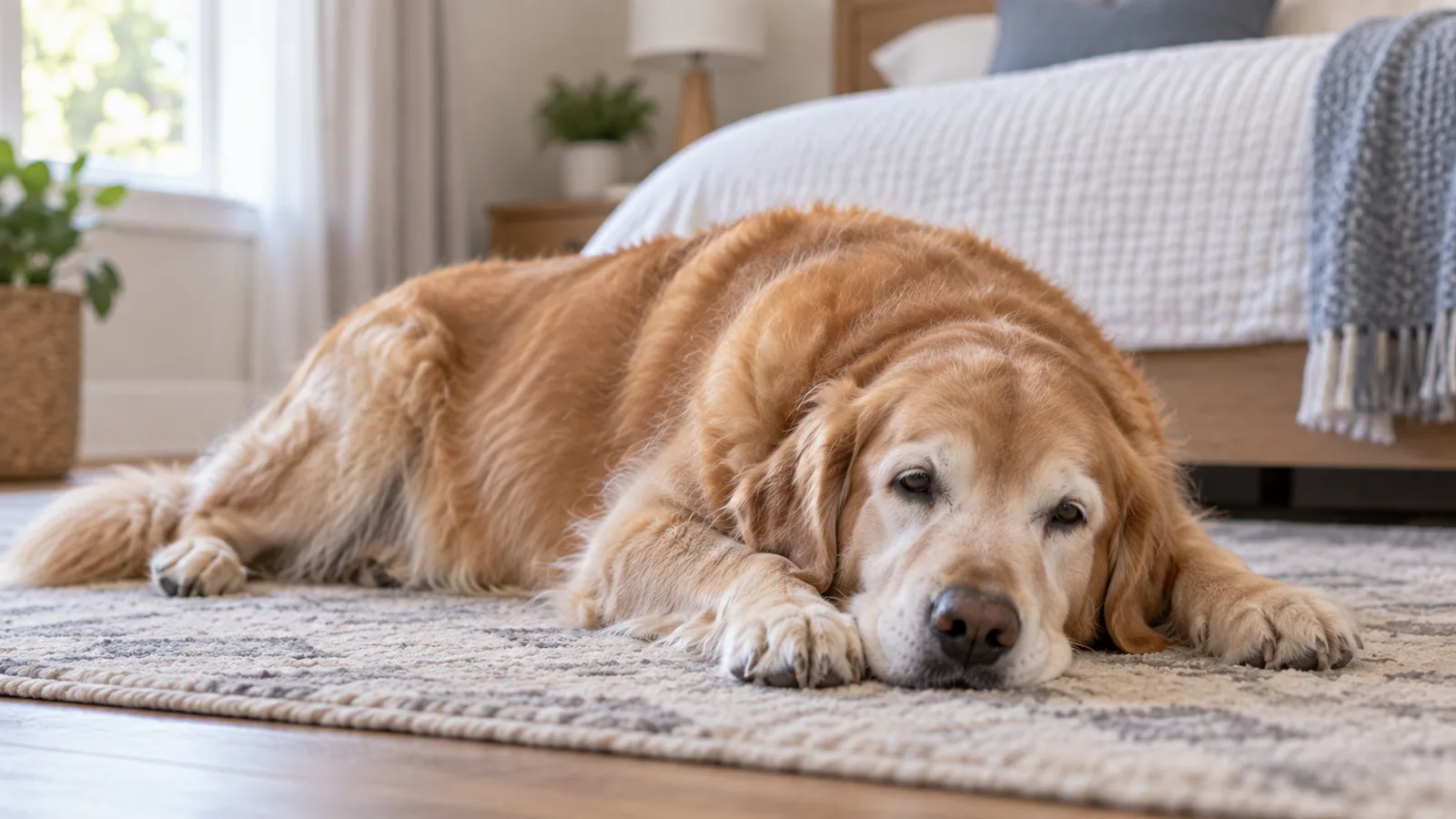
When a middle-aged dog starts gaining weight and sleeping more without any change to their food or walks, hypothyroidism is one of the most common explanations. The signs add up to a whole-body slowdown: weight gain without a bigger appetite, low energy, a dull or thinning coat, skin infections that keep returning, and a new preference for the warmest spot in the house. All of it traces back to a thyroid gland that is no longer producing enough of the hormone that sets metabolism. The reassuring part is that a daily replacement hormone reverses most of it, and dogs usually start to feel like themselves again within a few weeks.
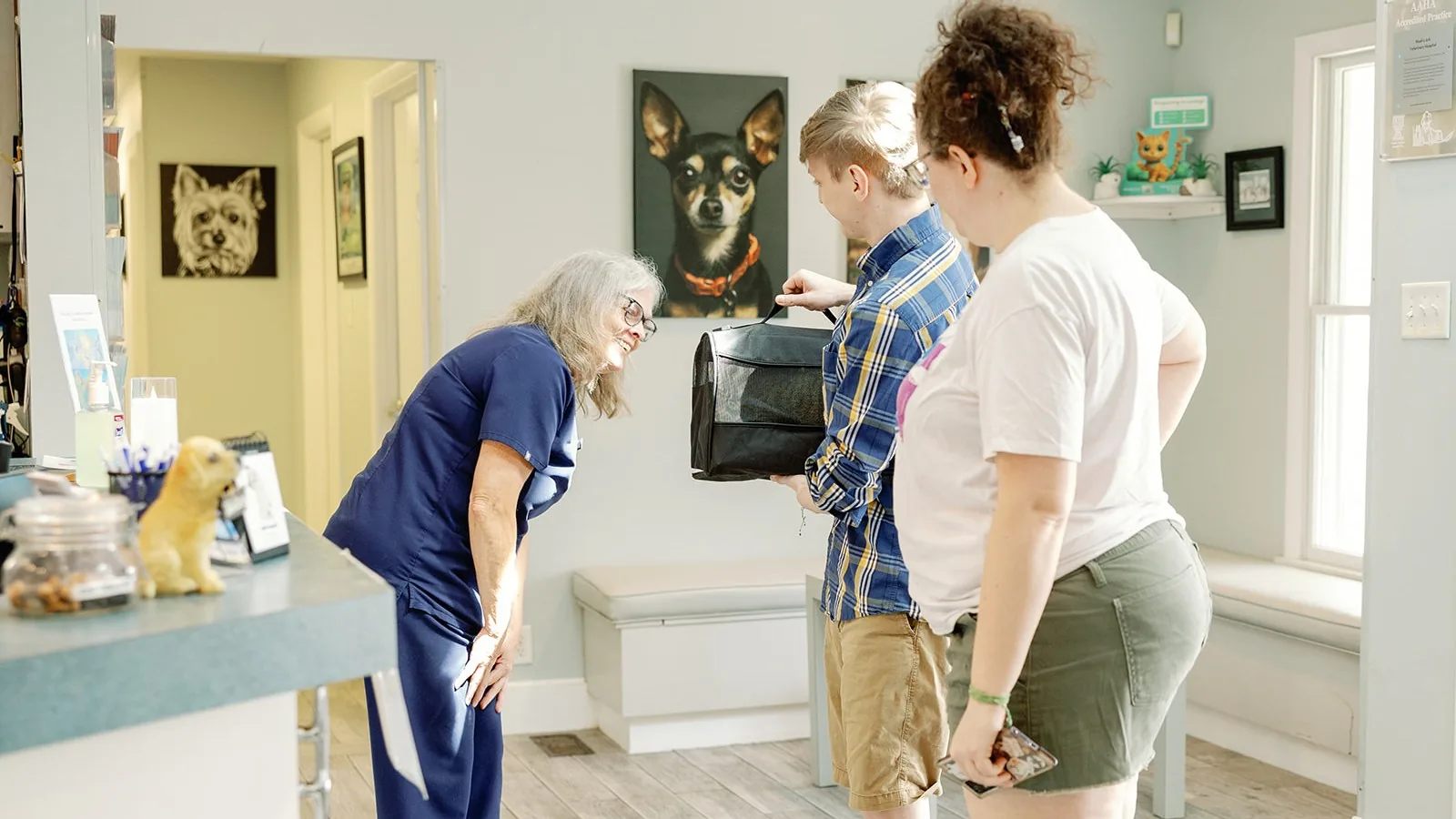
This is one of the reasons we like to see dogs regularly as they age: a change too small to notice at home shows up clearly to us across wellness exams. Noah's Ark Veterinary Hospital in Williamsburg is AAHA-accredited, and we can run the bloodwork and other diagnostics that confirm a thyroid problem and rule out the conditions that mimic one. Hypothyroidism is very manageable once we have an answer, and we handle the rechecks that fine-tune a dose over the long run. If something about your dog seems off and you are not sure it is just age, ask us about thyroid testing.
If Your Dog Is Gaining Weight and Slowing Down, Start Here
- Hypothyroidism is a hormone shortage rather than a food problem. That's why the weight climbs even when nothing about the bowl has changed.
- Most affected dogs are middle-aged, and the signs build so slowly that they're easy to file under normal aging.
- Diagnosis takes a thyroid panel and some detective work, because other illnesses and even some medications can push those numbers down.
- A daily replacement hormone treats the condition well, and the dose is fine-tuned with rechecks rather than set once and left alone.
What Is Hypothyroidism in Dogs?
Hypothyroidism means the thyroid gland has stopped producing enough hormone to keep metabolism running at its normal speed, and it turns up most often in middle-aged dogs somewhere between four and ten years old. That hormone sets the pace for nearly every organ. When it dips, the whole body eases off with it.
The gland sits in the neck alongside the windpipe, and what it releases tells cells how fast to burn fuel. When supply falls, hair follicles stop cycling the way they should, skin renews sluggishly and holds onto bacteria and yeast, heart rate slows, and cholesterol climbs in the bloodstream. None of that is dramatic on any single day, and that's the catch.
A slow thyroid rarely becomes an emergency, but it can quietly cost a dog a good year of feeling well, along with a string of ear and skin infections that get treated one at a time without anyone asking why they keep coming back. Annual screening labs and preventive care is where that pattern gets caught.
What Are the Symptoms of Hypothyroidism in Dogs?
A dog who sleeps through the afternoon walk they used to beg for is showing lethargy, a sustained drop in energy and interest that looks nothing like one lazy Sunday. Add steady weight gain on unchanged meals, a dull or thinning coat, and a sudden love of the heat vent, and thyroid disease moves up the list.
The full picture usually builds over months, in some combination of these:
- Weight and appetite: The scale creeps up without a bigger appetite, and the pounds stay on despite the same food and the same walks.
- Coat and skin: Hair thins over the flanks, the tail, and the bridge of the nose, often on both sides evenly. Dry flaking, dark patches of pigment, and ear or skin infections that clear and return are all part of it.
- Energy and temperature: Long naps, slow recovery after activity, and a dog who hunts down sunbeams, vents, and warm laundry in a house that feels perfectly comfortable to you.
- Face and expression: Some dogs develop a puffy, droopy look around the eyes and muzzle as the skin thickens.
- Less common signs: A head tilt, weakness in one limb, a facial droop, or trouble with the surface of the eye can trace back to thyroid disease in a smaller number of dogs.
Since it builds gradually, the most useful comparison isn't last week's memory: it's last year's chart. Weight trends, coat notes, and heart rate recorded at routine wellness visits give us a line to measure against, which is how five extra pounds on a sixty-pound dog gets flagged as a real change instead of a rounding error. If two or three items on that list sound familiar, bring your dog in rather than watching another season go by.
Which Dogs Get Hypothyroidism, and What Causes It?
Middle-aged dogs of medium and large breeds carry most of the risk, with Golden Retrievers, Doberman Pinschers, Boxers, Irish Setters, Dachshunds, and Cocker Spaniels over-represented. Underneath the majority of cases is a slow, silent loss of thyroid tissue, and in roughly half of dogs the immune system is the thing doing the dismantling.
The causes sort into a short list:
- Autoimmune thyroiditis: The immune system treats thyroid tissue as foreign and destroys it over months to years. There's a strong inherited component in some breeds, and the process can begin in a dog at age two or three even though nothing looks wrong until much later.
- Idiopathic atrophy: Working glandular tissue is gradually replaced by fat. Most of the remaining cases fall here, and why it happens isn't known.
- Uncommon causes: A puppy occasionally has a gland that never developed properly, which looks like stunted growth and delayed adult teeth. Rarely, a pituitary problem or a thyroid tumor is behind the hormone drop.
Two things are worth knowing about how this starts. Signs don't appear until roughly three-quarters of the gland is gone, which explains why the onset feels so vague, and no single environmental trigger has been pinned down despite a lot of study. Body condition, spay and neuter status, and chemical exposures have all been examined without a clean answer. Breed and age remain the risk factors we can act on.
For a dog in one of those breeds, it helps that the same team sees them year after year, because a subtle shift in coat quality gets investigated instead of shrugged off as another birthday.
How Is Hypothyroidism Diagnosed?
Diagnosis starts with a hands-on exam and general bloodwork, then a thyroid panel that measures more than one hormone. Thyroid numbers drift long before a dog looks sick, which is the whole argument for senior pet preventive testing on a set schedule rather than only when something already seems wrong.
Standard labs often give the first hint, since high cholesterol and a mild anemia are classic sidekicks. The thyroid panel adds total T4, free T4, and TSH, plus an antibody test in some dogs that tells us whether the immune system is involved. A single low T4 isn't enough to commit a dog to lifelong medication, because plenty of things drag that value down with no thyroid disease at all. Sighthounds run lower to begin with. Steroids, phenobarbital, and sulfa antibiotics push results down, and so does any unrelated illness, a pattern called euthyroid sick syndrome, where a dog with a bad infection tests low simply because they're unwell.
That's the main reason the workup looks wider than one test:
| What else it could be | Why it looks similar | What tells them apart |
| Too many calories | Weight gain, less stamina | The thyroid panel is normal and the diet history explains the math |
| Cushing's disease | Hair loss, skin changes, panting | Increased drinking and urinating, a pot-bellied shape, a different blood test |
| Kidney disease | Low energy, poor coat, weight change | Kidney values and how well the urine concentrates |
| Arthritis | Reluctance to walk, more sleeping | Sore joints on exam, confirmed with X-rays |
| Skin allergies or infection | Recurring ear and skin trouble | Itch leads the picture, and cytology shows what's growing |
| Heart disease | Tiring early, exercise intolerance | A murmur or an irregular rhythm on exam |
Much of that sorting happens in our Williamsburg hospital rather than in pieces across town, since our in-house bloodwork and ultrasound let us check organ values, look at the heart and abdomen, and add blood pressure or an EKG when the picture calls for it. Age shapes how far we take things: a seven-year-old whose only complaints are a thickening middle and a dull coat may need nothing past the thyroid panel, while a twelve-year-old with a murmur and new fatigue needs a wider net before we settle on an answer.
How Does Thyroid Replacement Treatment Work?
Treatment is a daily dose of levothyroxine, a synthetic copy of the hormone the gland can't make anymore. Thyroid medication isn't a set-it-and-forget-it prescription, and regular veterinary visits are where the dose gets adjusted, usually with a blood level rechecked four to six weeks after any change.
The starting dose is calculated from a lean target weight rather than the number a heavy dog currently carries, and it's often split into two doses a day. Consistency matters more than perfect timing: the same times each day, and the same relationship to meals, because food changes how much of each pill gets absorbed. At a recheck, blood is drawn a set number of hours after that morning's dose so we're always comparing the same point on the curve.
Our online pharmacy makes autoshipment of the medication to your home easy, so you never run out. It comes in pills, flavored liquids, and transdermal options that absorb through the skin, so even the pet that is impossible to pill has options.
Improvement arrives in a predictable order, which helps when the coat still looks rough six weeks in:
| What changes | When most dogs show it |
| Energy, attitude, willingness to play | The first one to two weeks |
| Weight starting to come off on the same food | About four to eight weeks |
| Skin infections settling, less flaking | One to two months |
| Coat filling back in | Three to four months, sometimes longer |
| Nerve-related signs, when they were present | Several weeks to a few months |
Too much hormone has a look of its own: restlessness, heavy panting, a racing heart, or pounds dropping off a dog with a healthy appetite. Tell us if that's what you're seeing, because the answer is a dose adjustment rather than stopping the pill. We'd also rather hear early about a dog sliding backward after months of doing well. If the energy has slipped and the old habits are creeping back, schedule a recheck instead of waiting for the annual visit.
What Helps a Hypothyroid Dog Feel Better at Home?
Home care is mostly steady habits: measured meals aimed at a healthy body condition, and exercise rebuilt gradually instead of all at once. The medication does the heavy lifting, and your routine is what makes the progress visible and keeps it.
Food is the first lever. Most dogs don't need a prescription diet, just an accurate calorie target and a portion that gets measured, with treats held to a small slice of the day's total. Cutting hard before the hormone has had time to work tends to backfire, and it costs muscle a sluggish dog can't spare. Nutrition counseling is where we set that number against your dog's current body condition and adjust it as the pounds start moving.
Activity comes back in steps. A dog who's been tired for six months has lost real muscle. Short flat walks that grow a little each week beat a triumphant weekend hike. A monthly weigh-in, a quick note about the coat, and a rough sense of how long the walks last are worth more to us than "better, I think."
A few things make this harder rather than easier:
- Human thyroid medication: Never give your dog a pill prescribed for a person. Dosing isn't comparable between species, and prescriptions aren't shareable.
- Skipped or paused doses: Don't stop treatment because your dog looks great. Looking great is the medicine doing its job, and the gland doesn't repair itself.
- Unvetted supplements: Ask us before adding kelp, iodine, or anything marketed for thyroid support, since several of those products throw off the blood levels we rely on to set a dose.
Left untreated long enough, the condition can progress to myxedema, a thickening of the skin around the face and muzzle that in rare cases tips into collapse and a dangerously low body temperature. That far end of the spectrum is uncommon, and it's a true emergency: a dog who is weak, cold to the touch, and hard to rouse needs help right away. Far more often, an untreated case just grinds along as repeat skin infections, stubborn pounds, and a dog who's stopped joining in. Most of that turns around on a daily pill.
Questions We Hear About Thyroid Disease in Dogs
Is hypothyroidism curable, or is my dog on medication for life?
Thyroid tissue that's been destroyed doesn't grow back. Replacement is lifelong rather than a course with an end date. That sounds heavier than it plays out. Once the dose is dialed in, most dogs settle into a pill or two a day plus a blood check on a regular rhythm, and they feel like themselves in between. Of the chronic conditions we manage in middle-aged dogs, this one is among the most forgiving.
When does a hypothyroid dog need to be seen right away?
Most thyroid questions can wait for a scheduled appointment, but a few can't. Sudden weakness, a dog who's cold and hard to wake, a pounding heart and heavy panting after a dose change, or a skin infection spreading fast all call for urgent care while we're open. If we've already closed for the day, go straight to the nearest veterinary emergency hospital instead of waiting for morning.
Can diet or a supplement treat hypothyroidism instead of medication?
No food restarts a gland that's already been destroyed, and iodine-rich products like kelp won't rebuild one. What you feed still matters, but it's doing a different job: holding a healthy weight while the medication handles metabolism. Some over-the-counter thyroid products also contain real hormone in amounts that vary from bottle to bottle, which makes dosing unpredictable. Check with us before you add anything new to the routine.
Proactive Care for a Hypothyroid Dog
A dog slowing down is hard to see from inside the house, where the change arrives a few minutes at a time. If something feels off and you can't put a name to it, that hunch is worth acting on. Noah's Ark Veterinary Hospital in Williamsburg handles the testing, the dose adjustments, and the long stretch of ordinary rechecks that keep a hypothyroid dog comfortable. Reach out with what you're noticing. If you'd rather get on the schedule now, book a visit and we'll sort it out together.