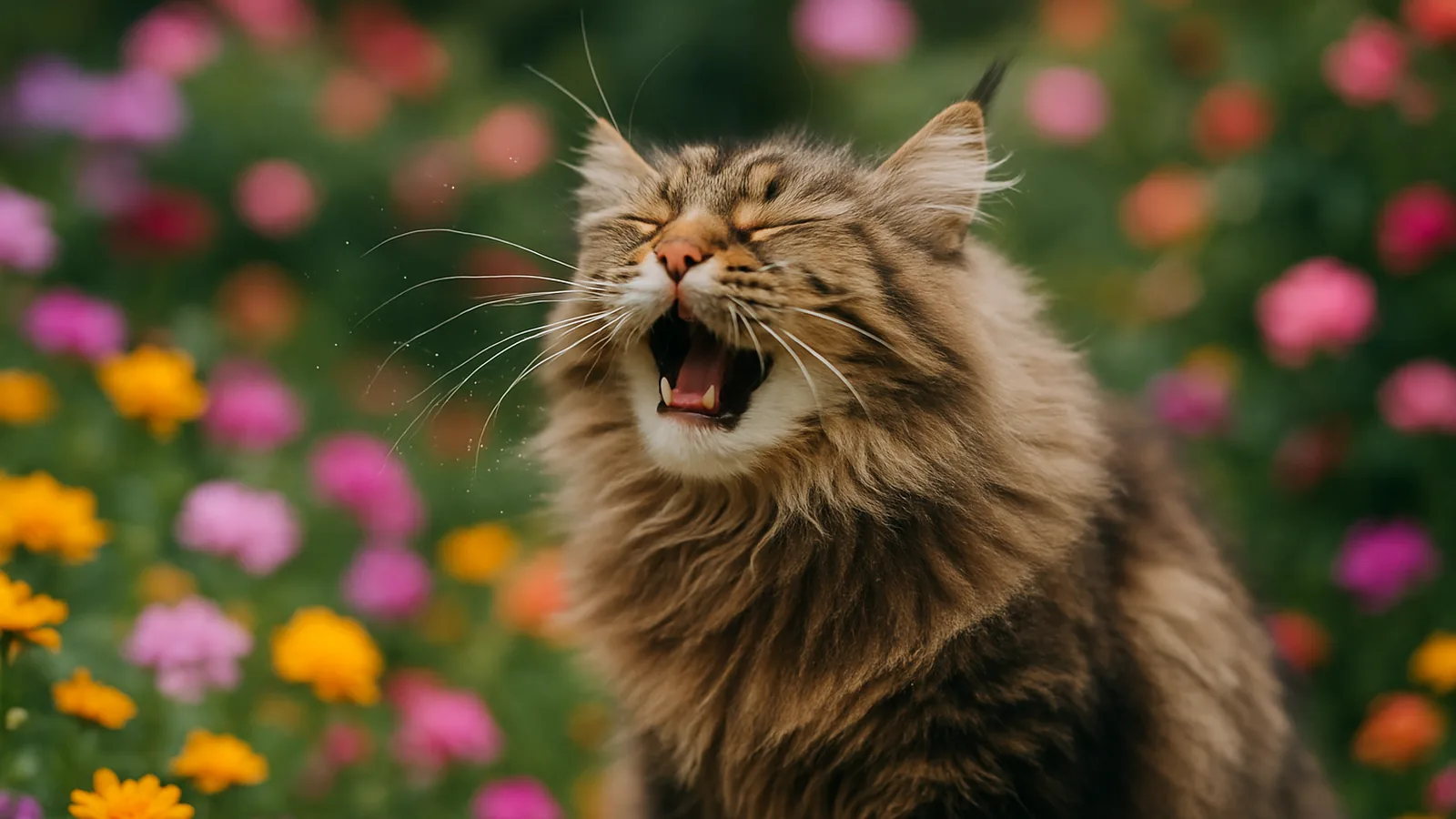
An occasional sneeze or a single throat-clearing cough from a cat is usually harmless, but repeated sneezing, ongoing coughing, or either symptom paired with other changes is a signal worth checking. Cats sneeze at dust, litter particles, and mild irritants the same way people do, and a quick cough after a fast drink of water rarely means much. The list of causes that do matter is long, from upper respiratory infections and dental disease to asthma, heart disease, and inhaled foreign material. A few patterns tip into true emergencies: open-mouth breathing, a bluish tint to the gums, wheezing that will not settle, or a cat straining to breathe with the belly and chest.
Noah's Ark Veterinary Hospital in Williamsburg works up feline respiratory signs with in-house bloodwork, chest and dental X-rays, and a careful oral exam to sort a nuisance sneeze from something the lungs, heart, or teeth are driving. If your cat is sneezing for more than a few days, coughing on and off, or losing appetite alongside the respiratory signs, request an appointment and we will take a careful look. A cat in obvious respiratory distress, with open-mouth breathing or blue-tinged gums, needs the nearest veterinary ER right away.
The Bottom Line on Feline Respiratory Problems
- An occasional sneeze or a single cough is almost always harmless; what matters is how often it happens, how long it lasts, and whether anything else changes alongside it.
- Coughing and sneezing are symptoms, not diagnoses, and the causes run from mild viruses and dust to asthma, dental disease, parasites, and growths, which is why a real workup beats guessing.
- Open-mouth breathing, blue or pale gums, labored or fast breathing, and a resting breath count that keeps climbing are emergencies that need care the same day.
- Pinning down the underlying cause is what makes treatment work, since a mild infection, feline asthma, and a nasal tumor call for very different plans.
Is Some Coughing and Sneezing in Cats Actually Normal?
A rare sneeze or a brief cough is usually nothing to lose sleep over. Cats react to dust, litter particles, a strong perfume, or a tickle in the throat much the way we do, and one isolated episode with no other signs rarely means anything. The pattern is what tells the story.
Understanding why cats cough helps: a single cough clearing a tickle is the airway doing its job, but repeated episodes earn attention. The same holds for the nose, where an occasional sneeze is rarely a problem until it becomes frequent or arrives with nasal or eye discharge. To tell the difference at home, watch for a few things:
- Frequency: One sneeze on a dusty afternoon is background noise; sneezing fits several times a day are not.
- Duration: Signs that clear within a day or two are usually minor, while a cough or sneeze that hangs on for more than a few days deserves a look.
- What comes with it: Runny eyes, nasal discharge, a drop in appetite, low energy, or any change in breathing turn an everyday sneeze into a reason to call.
How Do I Tell a Cat's Cough From a Hairball?
A true cough is a dry, forceful push of air with the cat's neck stretched low and mouth open, while a hairball comes up with wet retching, gagging, and a whole-body heave that ends in something landing on the rug. The two look alike in the moment, and even seasoned cat families mix them up. The retching that precedes hairballs comes from the stomach; a coughing cat is moving air, and nothing comes up at the end.
| Clue | More like a cough | More like a hairball |
| Body posture | Neck stretched out low, elbows out | Hunched, abdomen pumping |
| Sound | Dry, wheezy, repetitive | Wet retching and gagging |
| End result | Nothing produced | A hairball or a little fluid |
| What is driving it | The airway | The stomach |
Frequent hairballs and frequent coughing both earn a mention at the next visit.
Which Breathing Signs Mean a Vet Visit Right Away?
Some signs cannot wait for morning. Open-mouth breathing or panting, labored or rapid breathing, and blue or pale gums all point to respiratory distress, which means same-day care. Cats almost never pant like dogs, so a cat breathing with its mouth open is a genuine red flag. The signs that should move you to act now:
- Open-mouth breathing or panting: Rare and abnormal in a resting cat, and a sign the body is struggling for air.
- Labored or fast breathing: Belly and chest heaving with each breath, or a rate that stays high at rest.
- Blue, gray, or pale gums: A color change that signals the blood is not carrying enough oxygen.
- Collapse or extreme weakness: A cat that cannot stay upright or seems to fade needs help immediately.
- Hiding, not eating, or clear distress: A cat that has retreated under the bed and gone off food, especially with any breathing change, is telling you something is wrong.
You can also build an early-warning tool at home. Counting a cat's resting respiratory rate while it sleeps gives you a personal baseline: a relaxed cat should stay under about 30 breaths per minute, and a climbing number is an early warning. A cat that starts eating less or moving slowly is also worth watching, since lethargy often rides alongside respiratory trouble.
If you see any of these signs, call us right away so we can prepare before you arrive. We provide emergency care during our open hours, and for a breathing crisis after we have closed, head straight to the nearest 24-hour veterinary hospital.
What Actually Causes Coughing and Sneezing in Cats?
Coughing and sneezing are symptoms, not diagnoses, which means the same sneeze can trace back to a passing virus in one cat and a nasal tumor in another. The causes span infections, allergies, parasites, inhaled objects, dental problems, and more serious disease, and that range is exactly why a real workup beats guessing. The list below covers common examples, not every possibility.
What Respiratory Viruses Cause Sneezing in Cats?
Viral upper respiratory infections are among the most common causes, especially in kittens and cats from multi-cat homes, shelters, and rescues, and they typically bring sneezing, runny eyes and nose, and congestion. Feline herpesvirus and calicivirus drive most of these cases, and herpesvirus in particular can lie dormant and flare again during stressful stretches.
Can Bacteria or Fungi Cause a Cat's Respiratory Signs?
Bacteria and fungi can both cause respiratory infections. Bacteria often show up as a second act, moving in after a virus has already inflamed the airway, while environmental fungi can settle in the nose, sinuses, or lungs and cause stubborn signs that shrug off standard antibiotics. The organisms worth naming:
- Bordetella: A bacterium that can cause signs on its own but more often follows a virus.
- Mycoplasma: A tiny organism that settles into the airways and feeds a nagging cough.
- Aspiration pneumonia: When inhaled food, fluid, or vomit seeds the lungs with bacteria, which is serious and needs prompt care.
- Fungal infections: Environmental fungi behind cryptococcosis, aspergillosis, and histoplasmosis.
What Is Pneumonia in Cats?
Pneumonia is inflammation deep in the lungs, and it can stem from viral, bacterial, fungal, or protozoal infection, or from inhaled material. Because it interferes with the lungs' core job of moving oxygen, pneumonia is a serious cause of coughing and labored breathing that needs prompt care rather than home monitoring. A cat with pneumonia often looks obviously unwell: low energy, poor appetite, fever, and effortful breathing.
Is My Cat's Cough Asthma or Allergies?
Feline asthma and chronic bronchitis sit near the top of the list for a cat that coughs regularly. Feline asthma and chronic bronchitis are conditions a team manages over the long haul rather than clears in a single visit, and the classic picture is a cat crouched low, neck extended, coughing as if trying to bring something up. Everyday irritants like cigarette smoke, dust, scented sprays, and dusty litter inflame the same sensitive airways, and cats can react to inhaled allergens much as people do. That ongoing airway inflammation is exactly what bronchitis does over time, narrowing the airways and keeping the cough going.
Can Something Stuck in the Nose Cause Sneezing?
It can, and it tends to be dramatic and sudden. Grass awns and foxtails that get inhaled can trigger violent sneezing fits and pawing at the face, and a lodged one almost always needs to be removed by hand at the clinic. A seed head a curious cat inhales does not work its way out on its own, and the sneezing usually comes on fast, in a cat who was fine an hour ago.
Can Bad Teeth Make a Cat Sneeze?
They can, and it is one of the most overlooked links. An upper tooth root abscess sits close enough to the nasal passages that the infection can surface as one-sided sneezing or nasal discharge. A cat with discharge from just one nostril, especially with mouth pain or a reluctance to eat hard food, is a cat whose teeth deserve a close look, which is where dental X-rays earn their keep.
Can Parasites Cause a Cat to Cough?
Some parasites target the airways and lungs directly. Heartworm disease causes fluid to back up into the lungs and airways, so a mosquito bite can turn into a cough. Another airway parasite is lungworm, which cats pick up from hunting and which can cause coughing and breathing trouble. Both are preventable, and consistent parasite prevention does real work here, even for indoor cats who occasionally slip out.
Could a Growth or Cancer Be Behind It?
Growths in the nose, throat, or chest can drive persistent sneezing, nasal discharge, or coughing, and these are more of a concern in older cats. Persistent, often one-sided sneezing and discharge in an older cat can point to nasal tumors, and pinning down the diagnosis is what determines the options. The range runs from benign to serious:
- Inflammatory polyps: Benign growths that show up in the throat or ear canal and are often treatable.
- Nasal tumors: Lymphoma and adenocarcinomas cause chronic sneezing that progresses into destruction of the nasal passages.
- Lung tumors: A form of lung cancer that can cause a chronic cough, and can be primary or metastatic growth from other cancers.
Once the diagnosis is clear, therapies such as radiation for nasal cancer may be on the table.
Does Coughing Mean My Cat Has Heart Disease?
Usually not. Unlike dogs, cats rarely cough because of heart disease, so a coughing cat is usually pointing us toward the lungs or airways instead. Heart disease in cats tends to show up as changes in breathing rate rather than coughing, so it stays part of the picture a veterinarian considers, just not the first suspect when a cat coughs.
How Do You Figure Out What's Causing It?
The diagnosis comes from working through possibilities in a sensible order rather than jumping to one test, because so many conditions produce the same cough or sneeze. The workup is tailored to what your cat is showing and where it has been, and it usually draws from these steps:
- History and physical exam: When the signs started, what they look like, indoor or outdoor life, and other pets at home all narrow the field before any test runs.
- Listening to the chest: A stethoscope picks up wheezes, crackles, or muffled sounds that hint at asthma, fluid, or a mass.
- Bloodwork: In-house bloodwork checks for infection, inflammation, and organ clues, run here without sending samples out.
- Targeted testing: Depending on the picture, that may mean viral or fungal testing, or fecal and parasite screening for heartworm and other bugs.
- Imaging: Digital X-rays let us see the chest and lungs, and dental X-rays catch the abscesses hiding below the gumline.
- Airway sampling: In some cases, collecting a sample from the airway, sometimes with a specialist's help, gives the clearest answer.
The right combination depends entirely on your individual cat, and part of our job is choosing tests that answer the question without running every panel just to run it.
How Can I Prevent Coughing and Sneezing in My Cat?
Not every cause is preventable, but several habits lower the odds and catch problems early. A few make the biggest dent:
- Keep core vaccines current: Vaccination against common respiratory viruses like herpesvirus and calicivirus reduces both the chance and the severity of infection.
- Stay on parasite prevention: Year-round protection against parasites keeps some airway threats off the table, even for mostly indoor cats.
- Book routine wellness exams: Routine wellness exams catch early changes in the chest, nose, or teeth before they turn into a cough you can hear across the room.
- Keep up with dental care: Dental care tackles the tooth root infections that sneak into the nasal passages and cause one-sided sneezing.
- Cut the household irritants: Less smoke, dust, and heavy fragrance, plus a low-dust litter, means less to inflame a sensitive airway.
Frequently Asked Questions About Coughing and Sneezing in Cats
When does a sneezing cat need to see the vet?
One sneeze on a dusty day is nothing, but call us if the sneezing goes on for more than a few days, comes in frequent fits, or shows up with nasal or eye discharge, a drop in appetite, or low energy. Discharge from just one nostril, blood-tinged discharge, or any change in breathing all move a sneezing cat up the priority list.
How do I tell a cat's cough from a hairball?
A cough is dry and forceful, with your cat's neck stretched low and mouth open, and nothing comes up at the end. A hairball arrives with wet retching, gagging, and a hunched, pumping belly, and it ends with something on the floor. The cough is the airway at work; the hairball comes from the stomach. If you cannot tell, or either one is happening often, a short phone video of an episode can help us sort it out at the visit.
Does coughing in cats mean heart problems?
Usually not. Unlike dogs, cats rarely cough because of heart disease, so a coughing cat is far more likely dealing with the airways or lungs, such as asthma, an infection, or a parasite. Heart disease in cats tends to show up as changes in breathing rather than a cough. That said, it stays part of what we consider, and a full exam with imaging is how we tell the difference for certain.
Knowing When to Worry About Your Cat's Breathing
Occasional sneezing or coughing is often just a cat being a cat, reacting to dust or a tickle and moving on. What deserves a prompt look is anything that persists, worsens, or touches your cat's breathing, and pinning down the underlying cause is what makes effective care possible instead of guesswork. Every cause on this list has a different answer, and finding the right one starts with an exam.
If your cat's sneezing or coughing has stuck around, schedule an appointment and we will help you get to the bottom of it together.