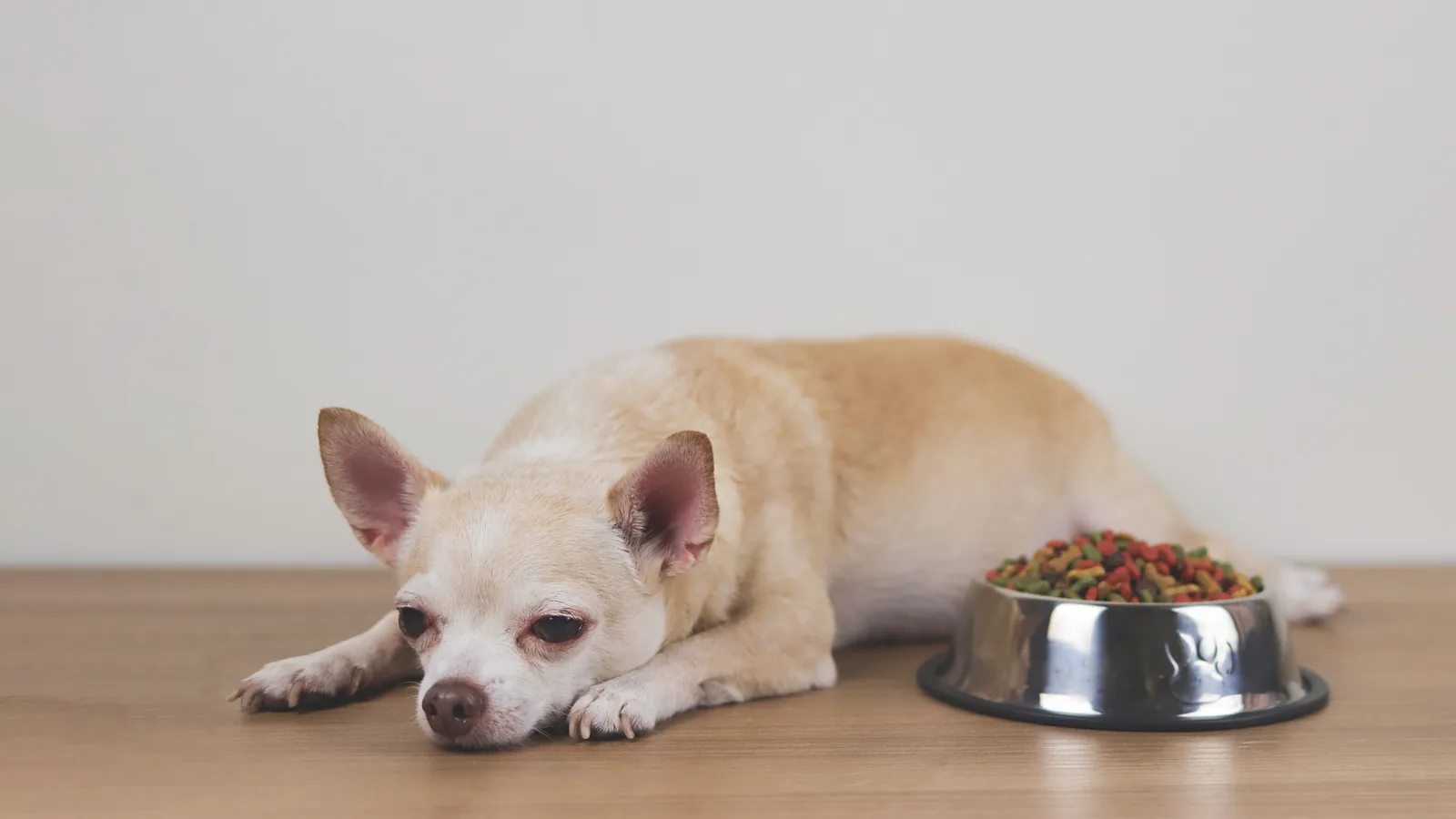
Chronic vomiting in dogs and cats has too many possible causes for any single test to cover, so veterinarians work through a ladder of steps, each chosen for what it can rule in or rule out. Bloodwork and imaging come first because they catch the serious, treatable causes early: kidney and liver disease, pancreatitis, and physical blockages among them. If those come back clean, a tightly controlled food trial over several weeks tests whether diet itself is driving the problem. And when the answer still refuses to show itself, a biopsy of the stomach or intestinal wall reads the tissue directly, the closest thing GI medicine has to a final word.
Noah's Ark Veterinary Hospital in Williamsburg climbs that ladder in order, explaining what each rung rules out before we run it, so you never pay for a test without knowing why it comes next. We start with a complete blood count, chemistry panel, and urinalysis in our own lab, add ultrasound and X-rays when the organs or gut need a closer look, and design a food trial your household can actually stick to. If a biopsy becomes the honest next step, we walk you through what it involves before you decide anything. Book an appointment and we will map out the first rung together.
What Matters Most About Chronic Vomiting
- One-off vomiting that clears up on its own is very different from vomiting that keeps returning over weeks or months, especially with weight loss, appetite changes, or on-and-off diarrhea.
- No single test can explain chronic vomiting, so we climb a ladder: bloodwork and imaging first, then a strict food trial, and a biopsy of the stomach or intestine when the picture stays unclear.
- The causes range from the food bowl to organs well outside the stomach, kidney and liver disease, pancreatitis, and hyperthyroidism among them, along with gut conditions like inflammatory bowel disease and lymphoma.
- Some vomiting is a true emergency: vomiting blood, a bloated or painful belly, retching that brings nothing up, or a pet who can't keep water down all mean prompt care is needed.
What Can Your Pet's Vomit Actually Tell You?
Your pet's vomit carries more information than it seems: what comes up, how often, and how soon after a meal all shape where we look first.
What Do the Different Types of Vomit Mean?
Note the timing, how often it happens, and what it looks like. Snap a phone photo if you can, since we'd rather see the real thing than work from a description. The types of vomit sort into a handful of recognizable categories, and dogs follow much the same pattern.
| What you see | What it can suggest |
| Yellow or green bile | An empty stomach or irritation, often after a long gap between meals |
| Undigested food | Fast eating, or food coming back up passively, which may be regurgitation |
| Dark, coffee-ground material | Digested blood from higher in the GI tract |
| Bright red blood | Fresh bleeding in the mouth, esophagus, or stomach |
| Foamy white liquid | Stomach acid and mucus with little else on board |
Food that comes back up passively, without the heaving of true vomiting, is regurgitation, a separate problem pointing at the esophagus instead of the stomach, and one esophageal cause is megaesophagus.
When Should Vomiting Send You to the Vet?
A single episode in an otherwise bright, playful pet who eats normally afterward can usually be watched at home. The picture changes when the vomiting keeps repeating, or when it travels with other signs:
- A pattern that stretches across weeks: an occasional upset stomach is normal; regular episodes over weeks aren't.
- Weight loss or appetite changes: dropping pounds or turning away from food alongside vomiting is worth an exam.
- Increased thirst or urination: these often point to an organ issue sitting behind the nausea.
- Low energy or concurrent diarrhea: a flatter, more withdrawn pet, or vomiting paired with loose stool, deserves a look.
In cats, frequent hairballs aren't the harmless quirk they seem. More than one a month can signal a problem. Vomiting is also one of the health problems in senior pets that gets written off as ordinary aging, when the organ diseases that arrive with age often announce themselves as chronic vomiting first.
When Is Vomiting an Emergency?
Some vomiting can't wait for a scheduled visit. These signs mean a same-hour situation:
- Vomiting blood or large amounts of dark, coffee-ground material.
- A distended or painful abdomen, or a pet who flinches when the belly is touched.
- Unproductive retching: repeated heaving that brings nothing up, which can signal a life-threatening twisted stomach.
- Inability to keep water down, which slides into dehydration quickly.
- Collapse or deep lethargy, or vomiting in a very young or very old pet alongside other symptoms.
Any of these needs emergency care now, so call on your way in and we can be ready for you. We take urgent and critical cases while we're open; once we've closed, head straight to the nearest 24-hour veterinary ER.
What Causes Chronic Vomiting in Dogs and Cats?
Chronic vomiting is rarely a single-system problem: the cause can sit in the food bowl, in an organ well outside the stomach, or in the gut wall itself, which is why pinning it down sometimes takes more than one visit.
Could the Problem Be in the Food Bowl?
Food is one of the most common contributors, and often one of the last things families think to question. A food allergy is an immune reaction; an intolerance isn't, though both can look the same. Choosing the right food and then staying with it matters, because constant switching makes the triggering ingredient impossible to pin down.
Then there's everything a pet eats that never came from the bowl: trash, a snack off the sidewalk, goose or rabbit droppings on a walk, or a swallowed object. Around Williamsburg, the long warm season means more time outside and more chances to pick something up on a walk. Swallowed foreign objects don't always cause the sudden emergency you might picture. Something small enough to block some contents but not all, like a scrap of fabric or a piece of a toy, can create a partial obstruction and on-and-off vomiting for weeks. When imaging turns up an object that won't pass on its own, it has to come out, and soft tissue surgery for dogs and cats is done here in our own surgical suite.
When the Cause Sits Outside the Stomach
Vomiting isn't always a stomach problem. Several conditions elsewhere in the body set off nausea as a secondary effect. Chronic kidney disease is one of the most common systemic reasons a pet vomits, as waste products build up in the bloodstream. Pancreatitis, liver and gall bladder disease, and hyperthyroidism sit on the same list. Cats land here especially often, and ongoing wellness care can pick up many of these diseases early, before the chronic vomiting starts to affect their lives.
What About Problems That Start in the Gut Itself?
Once systemic causes are ruled out, attention turns to the digestive tract directly. Inflammatory bowel disease is one of the most common gut-origin conditions, and telling it apart from its look-alikes matters. Intestinal lymphoma can mimic IBD almost perfectly at the surface.
| Condition | What it is |
| Inflammatory bowel disease | Ongoing inflammation of the gut lining that disrupts digestion |
| Intestinal lymphoma | A cancer of the GI tract that can look almost identical to IBD |
| Gastric ulcers | Raw, eroded spots in the stomach lining that bleed and hurt |
| Bilious vomiting syndrome | Morning bile vomiting from a stomach left empty too long |
| Pyloric stenosis | A narrowed stomach outlet that slows food from moving on |
| Gastric cancer | A tumor in the stomach wall, less common but serious |
A dog vomiting bile first thing in the morning and a cat quietly losing weight over months point our workup in very different directions.
Can Stress or Fast Eating Really Trigger Vomiting?
Stress and fast eating can both trigger vomiting, and both are easy to overlook. A pet who inhales a meal, or one living with ongoing tension at home, may vomit for reasons that have nothing to do with disease, yet it looks identical to the medical kind. Sorting one from the other is much of why the history you give us matters.
The Pet Who Eats Too Fast
Some pets treat every meal like it might be their last. Food vanishes in seconds, then comes back up almost whole a moment later, a pattern sometimes called scarf and barf. It shows up a lot in multi-pet homes and in pets who once had to compete for food. The fix is structural rather than medical: puzzle feeders, feeding pets in separate rooms, and smaller, more frequent meals usually solve it.
How Stress Shows Up in the Gut
The gut and the nervous system are closely wired, so ongoing anxiety can unsettle the stomach, and cats feel this especially. A move, a new baby or pet, a change in routine, or friction between housemates can all register as nausea, vomiting, or diarrhea.
How Do We Track Down the Cause of Chronic Vomiting?
The workup starts with a detailed history and a hands-on physical exam, then moves to baseline testing that rules the big, treatable causes in or out. Blood work runs in our own lab, so results come back during the visit instead of days later, and our imaging like X-ray or an abdominal ultrasound can be added on when bloodwork doesn’t give a clear answer. Here's what each part of the baseline looks for:
- Bloodwork: a chemistry panel and complete blood count screen kidney, liver, and pancreatic values and flag infection or anemia.
- Urinalysis: shows how well the kidneys concentrate urine and helps separate kidney disease from other causes.
- Fecal testing: intestinal parasites are a simple, common cause that's easy to miss and easy to treat.
- X-ray, sometimes with barium: plain films show organ size and shape and can reveal an obstruction, while a barium study follows how material moves through the tract.
- Ultrasound: a real-time look at the layered gut wall and surrounding organs, no surgery required.
Routine visits help here, too: when we already have healthy baseline values on file, a shift in a number means far more than a single snapshot could.
What Is a Food Trial, and Why Does It Have to Be So Strict?
When baseline testing comes back clean, a carefully controlled food trial is the logical next step. For several weeks your pet eats one specially chosen diet and nothing else.
Two kinds of diet do this job. A novel protein diet is built around a protein your pet has almost certainly never eaten, like venison, kangaroo, or rabbit, so the immune system has nothing familiar to react to. A hydrolyzed protein diet breaks ordinary protein into pieces too small for the immune system to recognize.
Strict really means strict: no treats, table scraps, flavored medications, or sharing food with the other animals in the house, which usually means feeding everyone in separate rooms for a while. Over-the-counter limited-ingredient foods aren't reliable for a diagnostic trial, either, since cross-contamination during manufacturing can leave traces of proteins that never appear on the label, enough to keep symptoms going and hide the real answer.
When Does a Pet Need Endoscopy or a Biopsy?
When testing and a food trial still haven't named the cause, the honest next move is to look at the GI tissue directly. Endoscopy and biopsy read the lining and wall of the stomach and intestine in a way blood and images can't, and this is where a lot of long-running cases finally get their answer.
Endoscopy: A Look Inside Without Surgery
Endoscopy passes a slim, flexible camera down under anesthesia to see the upper GI tract and take small tissue samples along the way. It's minimally invasive and recovery is usually quick. Not every general practice keeps an endoscope on hand, so when a procedure is best done elsewhere, we point you there and stay involved in the plan throughout.
Exploratory Surgery and Full-Thickness Biopsy
Sometimes surgery is the better tool. An exploratory procedure opens the abdomen so the organs can be examined directly and tissue taken from several spots along the GI tract at once. Because those samples run through the entire wall rather than just the surface, they reveal conditions that shallower endoscopic sampling can miss. This route makes sense when imaging has flagged an abnormality, when only deep tissue can give a firm diagnosis, or when a mass or blockage needs to come out. That last reason is why an exploratory procedure often doubles as treatment: surgery can take biopsies and remove an obstruction under a single anesthesia.
What Can a Biopsy Actually Tell Us?
The real value of a GI biopsy is separation. Under the microscope, a pathologist can tell IBD from intestinal lymphoma, sort out other GI cancers, spot infections, and read the exact pattern of inflammation, distinctions nearly impossible to make from the outside. That matters because the treatments are worlds apart: what calms IBD would do little for lymphoma.
How Is Chronic Vomiting Treated Once We Know the Cause?
Treatment follows the diagnosis, so there's no single prescription for chronic vomiting. Most cases land in one of three lanes.
When the food was the problem: If a food trial resolved the vomiting, treatment is staying the course: keep the winning diet consistent, hold firm on treats and table food, and plan ahead for the moments those rules slip, like holidays, travel, or a well-meaning visitor with a snack. Glance at the label now and then, too, since a reformulated ingredient can restart the whole thing.
When it's a gut condition like IBD: Inflammatory bowel disease is usually managed rather than cured, with anti-inflammatory or immunosuppressive medication to quiet the overactive inflammation and targeted dietary changes to support digestion day to day. Every pet responds a little differently, so we adjust the medication, the dose, and the food to how yours is doing.
When the driver is a disease elsewhere: Here the stomach is the symptom, not the target. The focus shifts to the underlying condition, managing kidney disease, stabilizing the thyroid, or treating pancreatitis, and the nausea usually eases as that comes under control.
Common Questions About Chronic Vomiting in Dogs and Cats
Is it normal for my cat to throw up hairballs?
An occasional hairball is normal; a routine of them isn't. A cat bringing up more than roughly one a month, or one who retches without producing anything, may have an underlying digestive issue rather than a grooming quirk. Long-haired cats are more prone, but frequent hairballs still deserve a mention at your next visit, where grooming support, the right diet, and ruling out anything more serious can all help.
My dog only vomits yellow bile in the morning. Should I worry?
Morning bile vomiting is a recognizable pattern, sometimes called bilious vomiting syndrome, and it's often manageable. When the stomach sits empty too long overnight, bile can back up and irritate the lining, and a small bedtime snack sometimes solves it outright. If it keeps happening, especially alongside weight loss or other changes, it's worth a check for anything more going on beneath a simple habit.
How long does it take to figure out what's causing chronic vomiting?
It varies, from a single visit to several weeks. Some cases resolve right away, when bloodwork or an X-ray points straight to the cause. Others take longer, particularly when a food trial is involved, since it needs several strict weeks to mean anything. It can feel slow when you just want your pet to feel better, but each step narrows the field until only the real answer is left standing.
Let's Find the Reason Behind the Vomiting
Living with a pet who keeps vomiting, without knowing why, is exhausting and worrying, and the 2 a.m. cleanups get old fast. The reassuring part is that a patient, step-by-step approach almost always gets there, whether the answer is in the food bowl, in an organ that needs support, or in the gut wall itself. When you're ready, schedule a visit and we'll lay out the first step together here at Noah's Ark in Williamsburg.