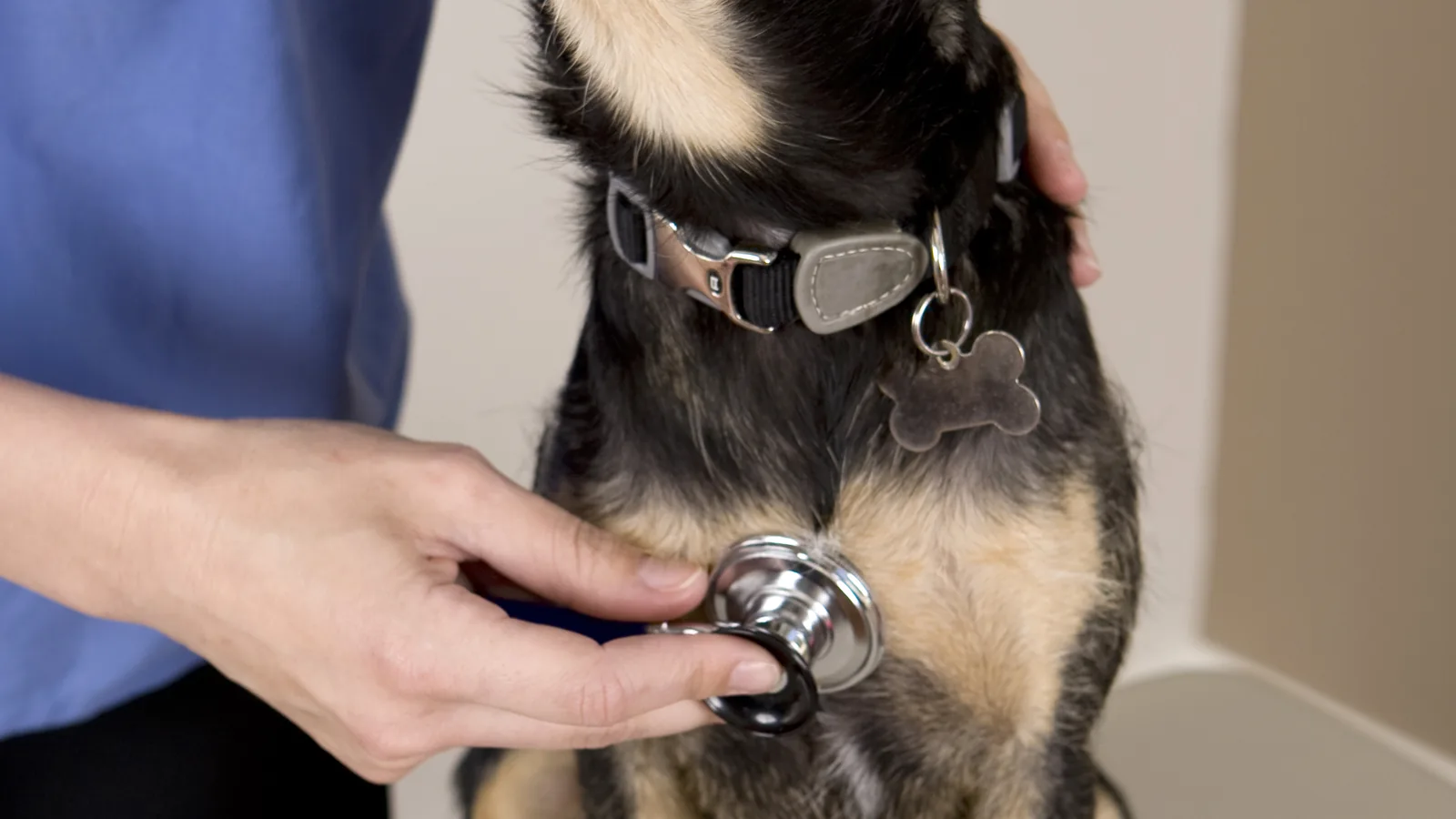
A cough in a dog can mean almost anything, from a passing throat tickle to a respiratory infection, a heart condition, lungworms, or something your dog inhaled while chasing a stick through the backyard. The same sound can come from very different places, which is why the question most families really want answered (how worried should I be?) is harder to pin down than it seems. What helps is paying attention to the character of the cough: is it dry and honking, productive and wet, soft and persistent, or sudden and harsh? When does it happen? What else is going on with your dog? Those little details narrow things down a lot and help us figure out whether this is a watch-and-wait situation or something that needs a same-day visit.
At Noah's Ark Veterinary Hospital in Williamsburg, we work through coughing cases with in-house digital X-ray plus the bloodwork, EKG, ultrasound, and blood pressure tools needed to start identifying the underlying cause in a single visit. We are AAHA accredited, and we approach each case with the workup your dog actually needs rather than a one-size-fits-all checklist. If your dog has been coughing for more than a day or two, or if something about the cough is worrying you, request an appointment and we will get you in.
Coughing Dog: Quick Reference
- Character narrows the cause: honking, productive, soft and persistent, or sudden and harsh each point in a different direction before any testing.
- The causes are varied: kennel cough, heart disease, tracheal collapse, allergic bronchitis, heartworm, and foreign bodies all need very different treatments.
- Some signs mean same-day care: open-mouth breathing, blue or pale gums, severe lethargy, or collapse alongside coughing.
- Older dogs deserve a quick workup: a persistent unexplained cough warrants thorough evaluation including chest imaging.
What Can a Dog's Cough Tell You?
Paying attention to what the cough sounds like and when it happens helps us narrow down the cause, sometimes before your dog has even hopped onto the exam table:
| Cough character | What it tends to suggest |
| Productive (wet, hacking up phlegm) | Infection or fluid in the airway |
| Dry (no phlegm) | Irritation, structural airway problems, or early infection |
| Honking or goose-honk | Tracheal collapse, especially in small breeds |
| Associated with swallowing or gagging | Upper airway irritation or post-nasal drainage |
| Worse at night or at rest | Cardiac involvement or chronic bronchitis |
| Triggered by excitement or leash pressure | Tracheal collapse or laryngeal issues |
| With nasal discharge, lethargy, or fever | Infectious disease |
| Sudden onset | Infection, foreign body, or aspiration |
| Gradual onset | Chronic conditions |
None of these clues confirm a diagnosis on their own, but all of them are useful to bring with you to the appointment. A phone video of the cough is honestly one of the most helpful things you can bring. Dogs often hold it together at the vet and won’t cough on cue, so a quick clip from home tells us a lot.
Which Infections Cause Coughing in Dogs?
Infectious disease is one of the most common causes of acute cough in dogs and puppies. The conditions below range from contagious upper respiratory bugs that pass through group settings to more serious systemic infections that warrant prompt evaluation.
Kennel Cough and the Canine Infectious Respiratory Disease Complex
Kennel cough is not a single disease but an infectious respiratory disease complex of bacteria and viruses that often act together. The classic presentation:
- A honking or hacking cough, sometimes with white foamy material at the end.
- Triggers from excitement or leash pressure.
- Onset typically 3 to 10 days after exposure.
- An otherwise bright, alert dog in most cases.
Transmission is most common in boarding facilities, daycare, grooming salons, dog parks, training classes, and shelters. Vaccination (Bordetella plus core DHPP) reduces severity and spread even if it does not guarantee complete prevention. Most healthy adult dogs bounce back over one to two weeks without trouble. Puppies, senior dogs, and dogs with weaker immune systems can have a harder time and are more likely to progress to pneumonia.
Canine Influenza and Parainfluenza
Influenza tends to be more serious than typical kennel cough, with higher likelihood of fever, thick nasal discharge, and progression to pneumonia. Two strains of canine influenza (H3N2 and H3N8) are recognized, and both are covered by current vaccines. The parainfluenza virus is one of the viral contributors to the kennel cough complex; it is covered by the DHPP vaccine, and vaccination reduces severity and shedding. Canine influenza vaccines are appropriate for social dogs (boarding, daycare, dog parks, group classes) and are considered non-core vaccines recommended based on lifestyle.
Distemper
The canine distemper virus affects multiple body systems including the respiratory tract. Coughing and nasal discharge are often early signs before neurological complications develop. Distemper is vaccine-preventable through the core DHPP vaccine, and vaccination is the primary means of protection. Cases still circulate in unvaccinated dogs and in wildlife reservoirs.
Pneumonia
A diagnosis of pneumonia in dogs means a serious lower respiratory infection that can develop as a complication of kennel cough, influenza, aspiration, or other respiratory illness. In some cases it can even occur from inhaling the bacteria that come with severe dental disease. Signs that suggest pneumonia rather than a milder upper respiratory infection:
- A productive cough with mucus.
- Fever.
- Labored or rapid breathing.
- Significant lethargy.
- Reduced appetite.
- Rapid deterioration.
Pneumonia warrants prompt evaluation and often requires hospitalization for IV antibiotics, fluid support, and oxygen therapy. Our in-house bloodwork and chest X-rays help us identify pneumonia quickly when the clinical picture suggests it.
Fungal Respiratory Infections
Where your dog spends time matters with fungal respiratory disease (blastomycosis, histoplasmosis, coccidioidomycosis). These are regionally relevant causes of a long-running cough that often gets mistaken for something else first. Dogs are exposed through soil, and cases can be slow to diagnose because the signs overlap with other conditions and the workup requires specific testing.
What to know for Tidewater Virginia dogs:
- Blastomycosis is the more common fungal concern in this region.
- Outdoor exposure near rivers, swamps, or wooded areas increases risk.
- A persistent cough that has not responded to standard treatment warrants asking about exposure history.
What Airway and Structural Problems Cause Coughing?
When the airway itself is the source of the cough, the workup shifts away from infectious agents toward structural assessment.
Bronchitis: Allergic and Chronic
Acute and chronic forms of bronchitis in dogs involve airway inflammation that produces cough as the primary clinical sign. With allergic bronchitis, environmental allergens (pollens, molds, dust, smoke) trigger a recurrent, sometimes productive cough that often follows seasonal patterns matching the dog's triggers. In chronic bronchitis, persistent lower airway inflammation produces daily or near-daily cough, often in middle-aged to older dogs, with irreversible airway changes that are managed rather than cured. Smoke, dust, and other airborne irritants worsen both conditions. Treatment for both typically combines anti-inflammatory medication, environmental management, and sometimes inhaled medications.
Tracheal Collapse
In tracheal collapse, the cartilage rings supporting the trachea weaken and flatten, producing the characteristic honking cough triggered by excitement, pulling on a leash, or pressure on the throat. The breeds most commonly affected are Yorkshire Terriers, Pomeranians, Chihuahuas, Toy Poodles, and other toy and small breeds. Diagnosis is through fluoroscopy or X-rays taken during inspiration and expiration. Management options include:
- Weight control (overweight dogs have markedly worse symptoms).
- Harness use instead of a neck collar.
- Avoiding heat and humidity.
- Medications (cough suppressants, anti-inflammatories, bronchodilators).
- Surgical stenting in severe cases.
Our digital X-ray supports tracheal imaging when collapse is suspected, though confirmation sometimes requires fluoroscopy at a referral center.
Brachycephalic Obstructive Airway Syndrome
Flat-faced breeds are prone to brachycephalic obstructive airway syndrome, a cluster of structural airway abnormalities that collectively restrict airflow and cause chronic respiratory effort, noisy breathing, and coughing. Common features and affected breeds:
- Narrowed nostrils (stenotic nares).
- Elongated soft palate.
- Sometimes a narrowed (hypoplastic) trachea.
- Breeds most affected: French Bulldogs, English Bulldogs, Pugs, Boston Terriers, Boxers, Shih Tzus, and Cavalier King Charles Spaniels.
Surgical correction (widening the nares, shortening the soft palate) is appropriate when symptoms are significant, and many young brachycephalic dogs benefit from early correction before secondary changes develop. Management beyond surgery includes weight control, avoiding heat and overexertion, and harness use.
Laryngeal Paralysis and Laryngitis
With laryngeal paralysis, the cartilages that open the larynx during breathing fail to function properly. Most common in large and giant breed dogs as they age (Labradors are particularly predisposed), the classic presentation includes:
- A change in bark (hoarse, weak).
- Noisy breathing on inspiration (stridor).
- A harsh cough.
- Exercise intolerance.
- Difficulty breathing in heat or with exertion.
- Sometimes complete respiratory crisis requiring emergency intervention.
Surgical correction (laryngeal tieback) at a referral surgery center is the standard treatment for moderate to severe cases. A related condition, laryngitis in dogs, involves inflammation of the larynx from infection, excessive barking, or irritant exposure, and is typically self-limiting with rest and supportive care.
Which Parasites Cause Coughing in Dogs?
Two parasites affect the respiratory system: heartworm and lungworm. Both are preventable with appropriate year-round parasite control.
Heartworm Disease
The mosquito-borne parasite responsible for heartworm disease is a serious and potentially fatal infection. Adult worms living in the heart and pulmonary vessels cause:
- A persistent soft cough.
- Exercise intolerance.
- Lethargy.
- Significant cardiovascular damage over time.
A soft, persistent cough in a dog with unknown or lapsed heartworm preventive history warrants heartworm testing as part of the workup. Virginia has significant heartworm prevalence, so year-round heartworm prevention matters here. The difference between preventing infection and treating established disease is substantial; prevention is dramatically easier and safer.
Lungworm
A diagnosis of lungworm in dogs reflects a parasitic infection acquired through ingestion of infected slugs, snails, or contaminated grass. It causes coughing, breathing difficulty, and in some cases bleeding disorders. It is worth mentioning to the veterinary team if your dog has outdoor exposure and access to wildlife or garden areas where slugs and snails are present.
Can Heart Disease Cause Coughing?
Heart disease is a significant cause of cough in middle-aged and older dogs, particularly conditions that reduce the heart's pumping efficiency and cause fluid to accumulate in or around the lungs. The presentation of heart disease in dogs ranges widely in how it presents and how urgent it is. Characteristic features of a cardiac cough:
- Typically soft.
- Often worse at night or when lying down.
- Accompanied by reduced exercise tolerance.
- Increased resting respiratory rate.
- May progress to labored breathing if congestive heart failure develops.
A cardiac cause requires a different diagnostic and treatment approach than a respiratory infection. Chest radiographs, cardiac ultrasound (echocardiogram), and cardiac biomarker bloodwork together identify cardiac disease and stage it for treatment planning. Twice-yearly senior visits can catch heart disease before heart failure develops.
Could a Cough Be a Lung Tumor?
A diagnosis of lung tumors in dogs is less common than infectious or cardiac causes, but worth ruling out in older dogs with a progressive cough, particularly if accompanied by weight loss or if the cough has not responded to treatment for other suspected causes. What raises the concern:
- Older dog with new persistent cough.
- Cough that has not improved with standard treatment.
- Weight loss alongside the cough.
- Decreased exercise tolerance.
Identification is through chest imaging (radiographs, often followed by CT for staging). Early cancer detection improves treatment options. A persistent unexplained cough in an older dog deserves thorough evaluation, not just another round of empirical treatment.
Can Foxtails or Foreign Objects Cause Coughing?
Inhalation or aspiration of plant awns (like foxtails), bits of a chewed on stick, or blades of grass during outdoor playtime can cause sudden coughing that did not exist an hour earlier. Sudden-onset intense coughing, gagging, or pawing at the face after outdoor activity warrants evaluation. Foxtails are most prevalent in western states, but plant awns and other foreign material can cause similar problems in other regions. Without veterinary equipment, foreign material is tough to find and remove, and poking around at home can push it deeper. Better to let us look.
When Does a Dog's Cough Need Urgent Care?
Some signs mean the dog should be seen the same day without delay:
| Sign | Why it matters |
| Open-mouth breathing or labored breathing at rest | Respiratory failure or severe disease |
| Blue or pale gums | Inadequate oxygen delivery |
| Extreme lethargy or collapse | Systemic involvement |
| Cough that developed suddenly after outdoor activity | Possible foreign body or aspiration |
| Rapid worsening of a known respiratory condition | Decompensation requiring intervention |
| Significant respiratory effort in a brachycephalic breed | Higher decompensation risk |
| Cough with fever and inappetence | Possible pneumonia |
| Coughing up blood | Multiple serious differential diagnoses |
We provide emergency care during our open hours for urgent respiratory cases. Call ahead so we can prep. Once here, we may recommend bloodwork and heartworm testing to look for infections, chest X-rays to get a view of their lungs and trachea, and cardiac ultrasound if heart disease is suspected. If your dog is in distress outside our hours, head to a 24-hour emergency hospital.
Frequently Asked Questions About Coughing in Dogs
My dog has been coughing for a few days but seems otherwise fine. Should I wait?
If the dog is bright, alert, eating, and the cough is mild, a few days of monitoring is reasonable. If the cough persists more than a week, gets worse, or new signs develop (fever, lethargy, appetite loss, labored breathing), a vet visit is warranted. Kennel cough often follows this pattern and most cases resolve, but a cough that does not improve at the expected pace warrants evaluation.
My puppy is coughing. Is that the same as adult kennel cough?
Puppies are at higher risk for severe disease than healthy adult dogs. Distemper, severe kennel cough, and pneumonia are all higher concerns in puppies, especially before the puppy series is complete. A coughing puppy deserves prompt evaluation rather than monitoring.
My older dog has had a soft, persistent cough for weeks. What could it be?
The most common considerations in older dogs are chronic bronchitis, heart disease, heartworm, and (less commonly but importantly) lung tumors. A thorough workup including chest radiographs, bloodwork, and heartworm testing identifies the cause and shapes treatment. Persistent unexplained cough in older dogs deserves a real diagnostic plan, not just a cough suppressant.
Can I give my dog cough medicine for people?
Avoid it unless we give you a specific product and dose. Many human cough medications contain ingredients toxic to dogs (xylitol in some formulations, decongestants, certain expectorants). A persistent cough needs a diagnosis rather than home suppressant treatment.
Getting Answers for a Coughing Dog
A cough is genuinely hard to read at home because the same sound can come from very different places, and you should not have to make that call alone. Regular wellness care, vaccinations, heartworm prevention, and heart monitoring in senior pets can prevent or catch many coughs before they are an emergency issue.
Noah's Ark is here to listen to your dog, run the right workup, and tell you what we find in plain English. When you are ready, request an appointment and we will get your dog in.