Pancreatitis is inflammation of the pancreas in which the organ's own digestive enzymes activate prematurely and start damaging surrounding tissue. It ranges from a mild, self-limiting episode that resolves with supportive care to a severe, life-threatening emergency requiring days of hospitalization. The classic presentation is vomiting, refusal to eat, abdominal pain (sometimes shown as the "prayer position" with the front end down and rear end up), and lethargy, often within 24 to 48 hours of a high-fat meal or sudden dietary change. Because the symptoms overlap with many other GI and abdominal conditions, accurate diagnosis depends on more than the clinical picture; pancreatic-specific bloodwork and abdominal ultrasound together confirm the diagnosis and assess severity.
At Noah's Ark Veterinary Hospital in Williamsburg, we run pancreatic bloodwork in-house alongside abdominal ultrasound through our imaging suite for same-visit results when a pancreatitis workup is needed. We are AAHA accredited, and we offer emergency and urgent care for dogs while we are open. If your dog is vomiting, refusing food, or showing signs of belly pain, contact us right away.
Pancreatitis at a Glance
- Diet is the usual trigger: fatty table scraps and sudden diet changes drive most cases, and emergency rooms see surges around holidays.
- Severity varies widely: symptoms range from mild GI upset to a true emergency, and owners cannot reliably distinguish the two at home.
- Diagnosis is two-part: pancreatic-specific blood tests (Spec cPL, SNAP cPL) plus abdominal ultrasound.
- Most dogs recover: timely treatment leads to good outcomes, and long-term diet management prevents recurrence.
What Is Pancreatitis and Why Can It Turn Serious?
The pancreas serves two roles: producing digestive enzymes that break down food in the small intestine and producing insulin to regulate blood sugar. In a healthy dog, the digestive enzymes stay inactive until they reach the intestine. In pancreatitis, those enzymes activate while still inside the pancreas, causing the organ to digest itself.
The distinction between acute pancreatitis and chronic pancreatitis matters:
| Type | Onset and course | Long-term concern |
| Acute | Sudden onset, often severe, frequently linked to a specific trigger | Most recover fully, but the dog can be very sick in the meantime |
| Chronic | Lower-grade ongoing inflammation, intermittent or no symptoms | Can lead to diabetes and exocrine pancreatic insufficiency over time |
Without treatment, inflammation can spread to surrounding organs, cause systemic inflammatory response syndrome, and in severe cases lead to organ failure. Early treatment dramatically improves outcomes.
What Are the Signs of Pancreatitis in Dogs?
The signs of pancreatitis in dogs cluster as GI distress combined with abdominal pain:
- Vomiting or retching, often repeated.
- Sudden refusal to eat.
- Abdominal pain or guarding (reluctance to be touched on the belly).
- The "prayer position" (front end lowered, back end raised), a classic indicator of belly pain in dogs.
- Diarrhea, sometimes with blood.
- Fever.
- Lethargy that goes beyond mild tiredness.
- Hunched posture.
- Pacing or inability to settle.
Symptoms can escalate quickly. A dog who seemed slightly off in the morning can be severely ill by evening. Any combination of GI distress with visible discomfort or behavioral changes warrants prompt evaluation; do not wait for the dog to "see if it gets better."
When Is Pancreatitis an Emergency?
Mild cases can sometimes be managed on an outpatient basis with anti-nausea medication, fluid support, and a bland diet. More severe presentations require hospitalization. Signs that mean it is time for emergency evaluation:
- Persistent or worsening vomiting (cannot keep water down).
- Complete refusal to eat or drink for more than 12 hours.
- Visible signs of pain (prayer position, vocalizing, refusing to lie down).
- Pronounced lethargy.
- Signs of dehydration: tacky gums, sunken eyes, prolonged skin tent.
- Diarrhea with blood.
- Collapse or weakness.
- Pale or yellow-tinged gums.
- A history of pancreatitis with returning symptoms.
Delayed treatment increases risk of severe dehydration, secondary infections, systemic inflammatory response, and permanent pancreatic damage. Our emergency clinic handles urgent pancreatitis cases while we are open.
What Triggers Pancreatitis in Dogs?
Rich Foods and Sudden Diet Changes
Fatty table scraps and sudden diet changes are the most common triggers in dogs. Emergency hospitals see predictable surges around Thanksgiving, Christmas, July 4th cookouts, and other holidays where dogs get into foods they should not have. Specific high-risk items include barbecue foods you shouldn't share with your pet (rib trimmings, fatty meat scraps, sausage drippings) and rich holiday foods.
Pet-safe holiday treats exist; the key is staying with familiar low-fat options and avoiding sudden access to high-fat human food. Practical tactics during gatherings: brief the guests, secure the trash, keep the dog out of the kitchen during cleanup, and skip the "just a little bite" sharing.
Choosing the right food matters, especially for dogs with chronic pancreatitis; our nutrition consultations review the full picture of appropriate diet selection for dogs with pancreatitis risk, and build long-term feeding plans.
Breed Predisposition
While any dog can develop pancreatitis, certain breeds carry higher risk factors:
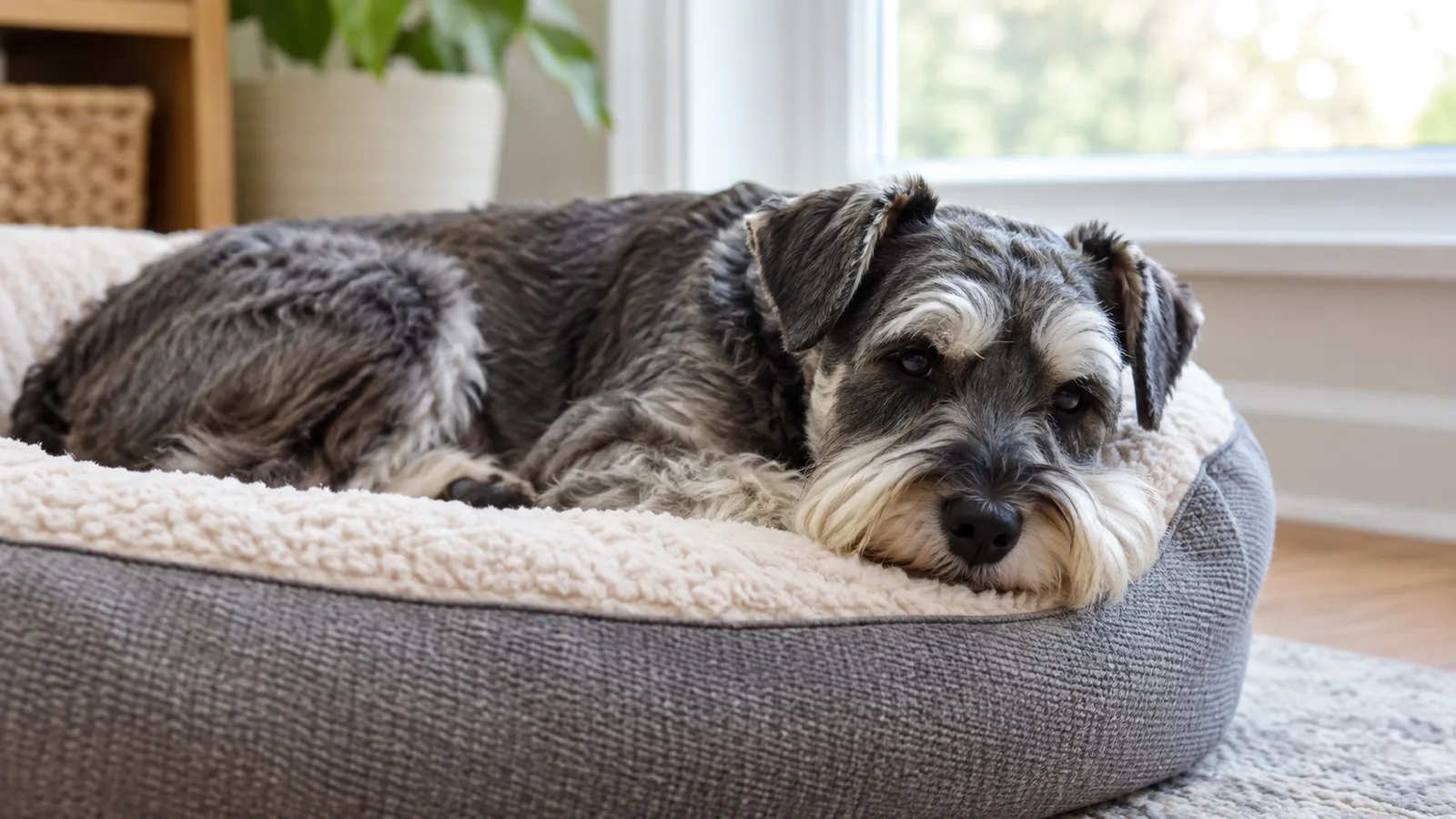
- Miniature Schnauzers: particularly prone to elevated blood triglycerides, which independently increase pancreatitis risk.
- Yorkshire Terriers, Cocker Spaniels, Poodles, Cavalier King Charles Spaniels: higher rates than the general population.
- Smaller breeds in general: they present with pancreatitis more frequently than larger ones, though larger breeds are not immune.
Predisposition is a reason for stricter diet discipline, not a guarantee that the dog will develop pancreatitis.
Excess Weight and Underlying Health Conditions
Pet obesity increases systemic inflammation and pancreatitis risk. Other underlying conditions that elevate risk:
- Diabetes: a two-way relationship, since pancreatitis can cause diabetes and diabetes increases pancreatitis risk.
- Cushing's disease: excess cortisol affects fat metabolism.
- Hypothyroidism: affects lipid metabolism.
Certain medications, household toxins, plants, and chemicals can also trigger pancreatitis. Pet-proofing reduces accidental exposure, and it helps to save the Pet Poison Helpline number in your phone for when something does happen.
What Does a Pancreatitis Workup Look Like?
The diagnostic process:
- Triage and stabilization. Severe cases need IV access and fluid support before any workup begins.
- History and physical exam. Including recent dietary events, medications, and existing conditions.
- Blood work. General chemistry plus pancreatic-specific tests (Spec cPL, SNAP cPL) that elevate with pancreatic inflammation. These are dramatically more reliable than older amylase and lipase tests.
- Abdominal ultrasound. Visualizes the pancreas and surrounding structures for swelling, fluid, and involvement of nearby organs. Many conditions mimic pancreatitis on blood work alone, so imaging confirms the diagnosis and identifies complications.
Our in-house diagnostic capabilities support same-visit workup. We can usually have meaningful results in hand within an hour or two of arrival, which matters for time-sensitive treatment decisions.
How Is Pancreatitis Treated in Dogs?
Most dogs with moderate to severe pancreatitis need a period of hospital care focused on resting the pancreas, managing pain, stopping vomiting, and supporting the body while inflammation resolves. Noah’s Ark Veterinary Hospital also offers Panoquell- CA1, a new pancreatitis medication that helps dogs recover more quickly. The core treatment components:
| Treatment | Role |
| IV fluids | The cornerstone: restores hydration, supports circulation, reduces systemic inflammation |
| Anti-nausea medications (maropitant, ondansetron) | Control vomiting and allow food reintroduction |
| Pain management | Multimodal; pancreatitis is genuinely painful, and pain control aids recovery |
| Antacid therapy | Protects against gastric ulceration that can accompany pancreatic inflammation |
| Panoquell-CA1 | A newer targeted treatment for canine acute pancreatitis that blocks enzyme activation at the cellular level; clinical evidence shows shorter hospitalization and improved outcomes in appropriate cases |
Most dogs begin improving within the first day or two. Mild cases may go home within 24 hours; more severe episodes require several days of hospitalization with continued monitoring.
Nutrition During Recovery
Early nutrition (within 24 to 48 hours of stabilization) is now standard for pancreatitis treatment, replacing the older "rest the pancreas with prolonged fasting" approach. The reintroduction protocol:
- Start small: small, low-fat, highly digestible meals.
- Feed frequently: several small meals per day rather than one or two larger meals.
- Increase gradually as tolerance improves.
- Continue low-fat for weeks to months after recovery.
- Make it permanent for dogs with recurrent or chronic pancreatitis, where low-fat feeding is a long-term management strategy.
Choosing the right food for ongoing management depends on the dog's specific situation. Prescription low-fat diets are typically the most reliable option for recurrent cases, and our nutrition consultations work through the long-term plan. We have a variety of low-fat prescription dog diets in our online pharmacy, and our team will help you pick the right one for your dog.
How Do I Prevent Future Pancreatitis Episodes?
Preventing Recurrence
Key prevention strategies:
- Switch to a recommended diet: a veterinarian-recommended low-fat, highly digestible food.
- Measure portions consistently.
- Keep treats simple and low-fat (plain vegetables, lean protein in small amounts).
- Avoid table scraps entirely, especially fatty foods.
- Support a healthy weight through diet and gentle regular activity.
- Avoid sudden diet changes, always transitioning to new diets slowly over 7-10 days.
- Stay vigilant around holidays and gatherings.
For dogs with one episode of pancreatitis, the recurrence risk is real but manageable with consistent dietary discipline. For dogs with chronic pancreatitis, ongoing dietary management is essentially permanent.
What to Watch for After Discharge
The first two weeks at home are the most important monitoring window. Track daily:
- Appetite: is every meal eaten readily?
- Water intake: drinking normally?
- Energy level: active and engaging with the family?
- Bowel movements: normal or loose?
- Behavior: any signs of pain returning?
Call us right away if vomiting returns, pain behaviors reappear, appetite drops, or your dog seems generally unwell. Recheck blood work or ultrasound confirms healing on the schedule we discuss at discharge.
Frequently Asked Questions About Pancreatitis in Dogs
My dog ate a piece of bacon. Will they get pancreatitis?
It depends on the dog. A small one-time exposure may produce no problems or mild GI upset, but for dogs with chronic pancreatitis, that may be enough to trigger an episode. The biggest risk comes from larger amounts, very high-fat foods (raw bacon grease, fatty trimmings), and dogs with existing pancreatitis risk. Monitor for vomiting, lethargy, or abdominal discomfort and call if you see them.
Can pancreatitis come back?
It can. Dogs who have had one episode are at higher risk for future episodes, particularly if the dietary discipline that triggered the first one continues. Consistent low-fat feeding and avoiding triggers reduce recurrence substantially.
How long does recovery take?
Mild cases improve within 1 to 3 days. Severe cases require 3 to 7 days of hospitalization plus 2 to 4 weeks of careful home recovery. Full return to normal activity and diet can take several weeks.
Will my dog need a special diet forever?
For many dogs with chronic or recurrent pancreatitis, it becomes a long-term commitment. For dogs with a single isolated acute episode, the long-term diet may be less restrictive once recovery is complete, though avoiding high-fat foods remains a permanent recommendation.
Getting Timely Care for Pancreatitis
Pancreatitis can be frightening but it is manageable with early recognition, accurate diagnostics, and prompt treatment. Most dogs recover well when the workup happens quickly and the supportive care is appropriate to the severity. Waiting too long is the biggest risk factor for complications, so trust your instincts when something seems wrong with your dog.
If your dog is vomiting, refusing food, or showing signs of belly pain, contact us right away. We will get you in for evaluation and start treatment quickly when it is needed.